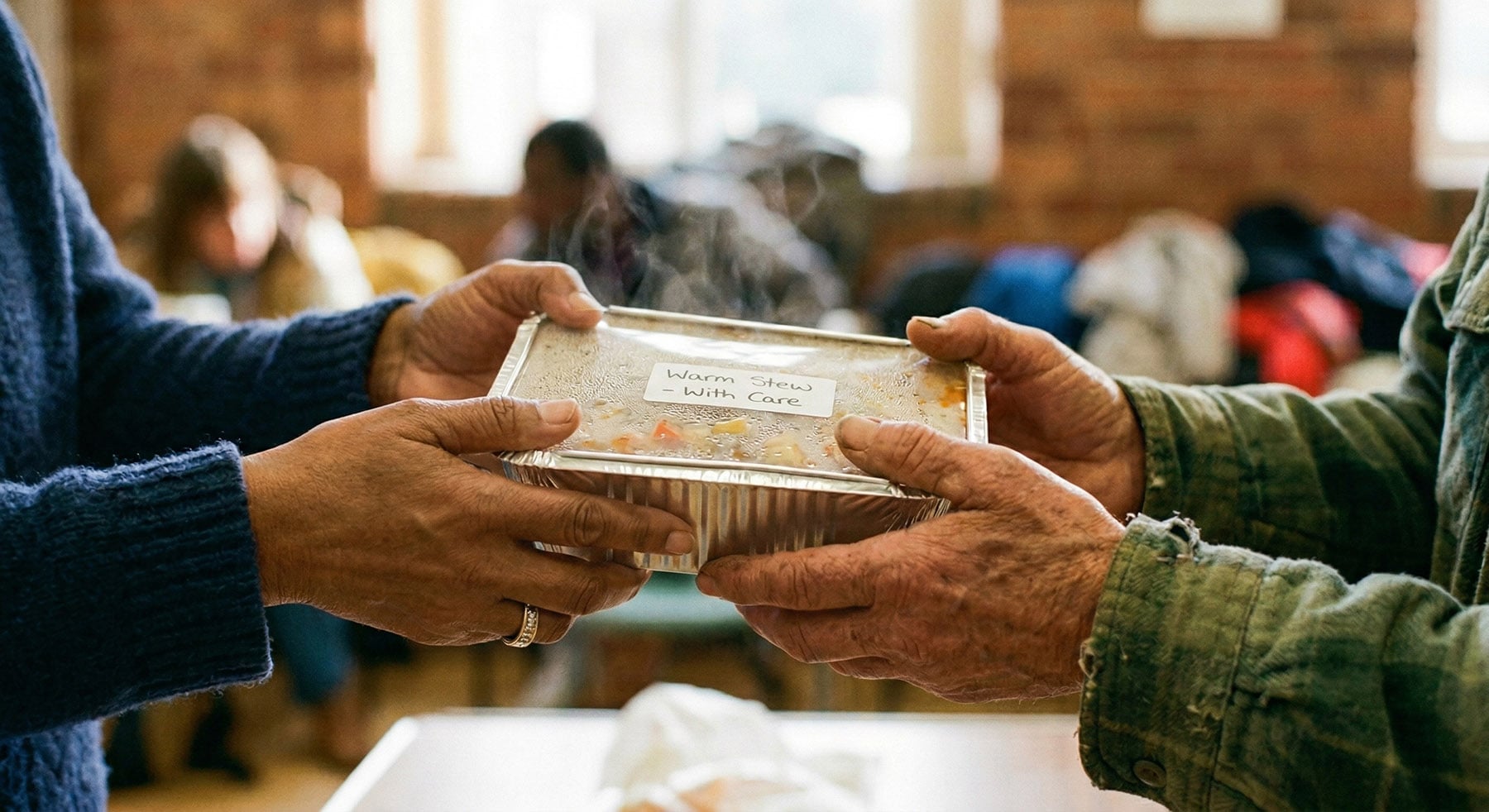
Historical wisdom across cultures has long taught that giving to those in need is not just a moral imperative, but a practice that heals the giver. From ancient philosophical texts to early communal traditions, the act of charity has been viewed as a foundation for a fulfilling life. Today, modern science is proving what our ancestors intuitively knew: generosity is deeply intertwined with our own biological and psychological well-being.
When we engage in altruistic acts, we experience what researchers often call the “helper’s high.” Generosity activates the brain’s mesolimbic pathway, which is the exact same reward system stimulated by food and other pleasurable activities. This activation releases a potent neurochemical cascade of dopamine, endorphins, and oxytocin. Dopamine and endorphins provide an immediate boost in mood and a mild sense of euphoria, while oxytocin—the “bonding hormone”—fosters a deep sense of connection and trust, directly countering the inflammatory effects of loneliness and isolation.
Beyond the immediate mood boost, this timeless act of charity offers profound, measurable physiological benefits. The release of oxytocin directly blunts the release of the stress hormone cortisol and helps to relax blood vessels, which physically lowers blood pressure and protects the cardiovascular system. By shifting the nervous system out of a chronic “fight-or-flight” state and into a restorative phase, altruism remains a powerful, accessible antidote to the physiological toll of modern stress. It proves that caring for others is fundamentally one of the most effective ways to care for ourselves.
References
- Harbaugh, W. T., Mayr, U., & Burghart, D. R. (2007). Neural responses to taxation and voluntary giving reveal motives for charitable donations. Science, 316(5831), 1622-1625.
- Poulin, M. J., Brown, S. L., Dillard, A. J., & Smith, D. M. (2013). Giving to others and the association between stress and mortality. American Journal of Public Health, 103(9), 1649-1655.
- Post, S. G. (2005). Altruism, happiness, and health: It’s good to be good. International Journal of Behavioral Medicine, 12(2), 66-77.
Comments are closed