

Exercise as an Anti-Inflammatory: The Same Cytokine, Read in the Opposite Direction
Key Takeaways: Interleukin-6 was the first molecule ever classified as a myokine — a cytokine produced and released by contracting skeletal muscle fibers — and[…]

Senescent Cells and the SASP: The Aging Cells That Refuse to Leave
Key Takeaways: September is Healthy Aging Month, and one of the more useful ideas to come out of aging biology in the last fifteen years[…]

Colonized, Not Infected: Group B Strep in Pregnancy and the Protocol Built Around It
Key Takeaways: The single most useful sentence about Group B strep in pregnancy is that it describes a colonization state, not an infection. Streptococcus agalactiae[…]

Reading the Number in Context: Melanin and Vitamin D Testing
Key Takeaways: July is UV Safety Month, which makes it a good moment to examine the one common lab test where sunlight, skin biology, and[…]

The Healthy Monoculture: Vaginal Lactobacillus and the One Ecosystem Where Diversity Is Not the Goal
Key Takeaways: Almost everything we teach about the microbiome carries the same refrain: more species, more resilience. The vaginal Lactobacillus community is the standing exception,[…]

The Crisis Has to Survive the Wait: Mental Health Access Latency and Time-to-Contact
Key Takeaways: July is Minority Mental Health Month, and the most useful instrument to bring to it is not a diagnostic manual but a clock.[…]

An FDA Panel Just Backed BPC-157 and KPV. The Evidence Hasn’t Caught Up.
Key Takeaways: On July 23, 2026, an FDA advisory panel did something it rarely does: it overruled its own agency’s scientists. The Pharmacy Compounding Advisory[…]
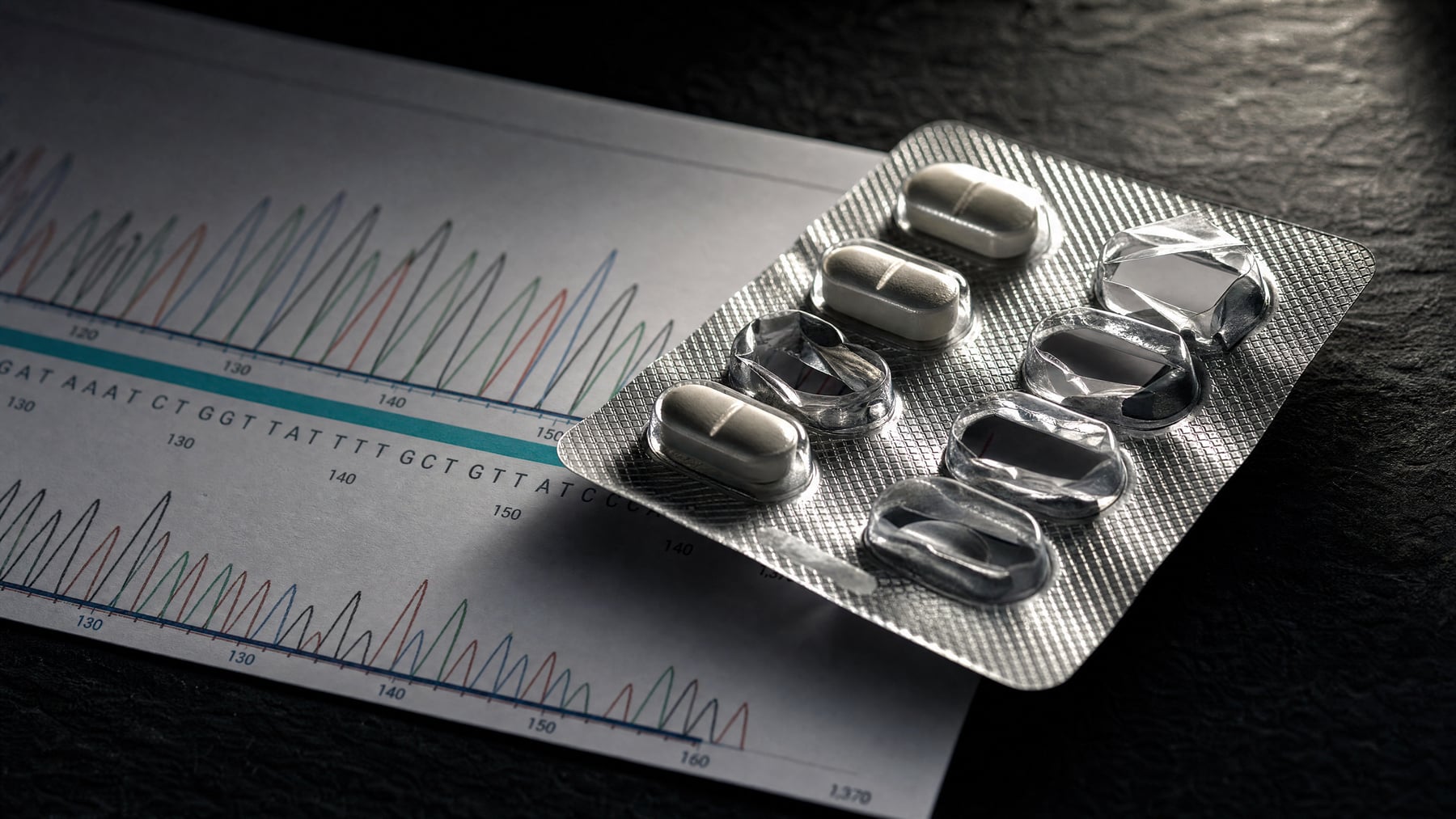
The Dose That Never Landed: Antidepressant Pharmacogenomics and the Enzymes That Decide
Key Takeaways: July is Minority Mental Health Month, and antidepressant pharmacogenomics deserves a place in that conversation for a strictly biochemical reason. Two liver enzymes,[…]

Pennies Per Pill: How Direct Primary Care Strips the Markup Out of Generic Medications
Transparent medication pricing starts with an uncomfortable fact: a surprising amount of the price of a generic medication at a retail pharmacy is not the[…]

The Door That Will Not Close: Hepcidin, the HFE Gene, and Hereditary Hemochromatosis
Key Takeaways: Iron has exactly one way out of the cells that absorb it. That exit is ferroportin, the sole known cellular iron exporter, and[…]
Administrative Mailing Address:
9200 NW 39th Ave, Ste 130-3317
Gainesville, FL 32606