
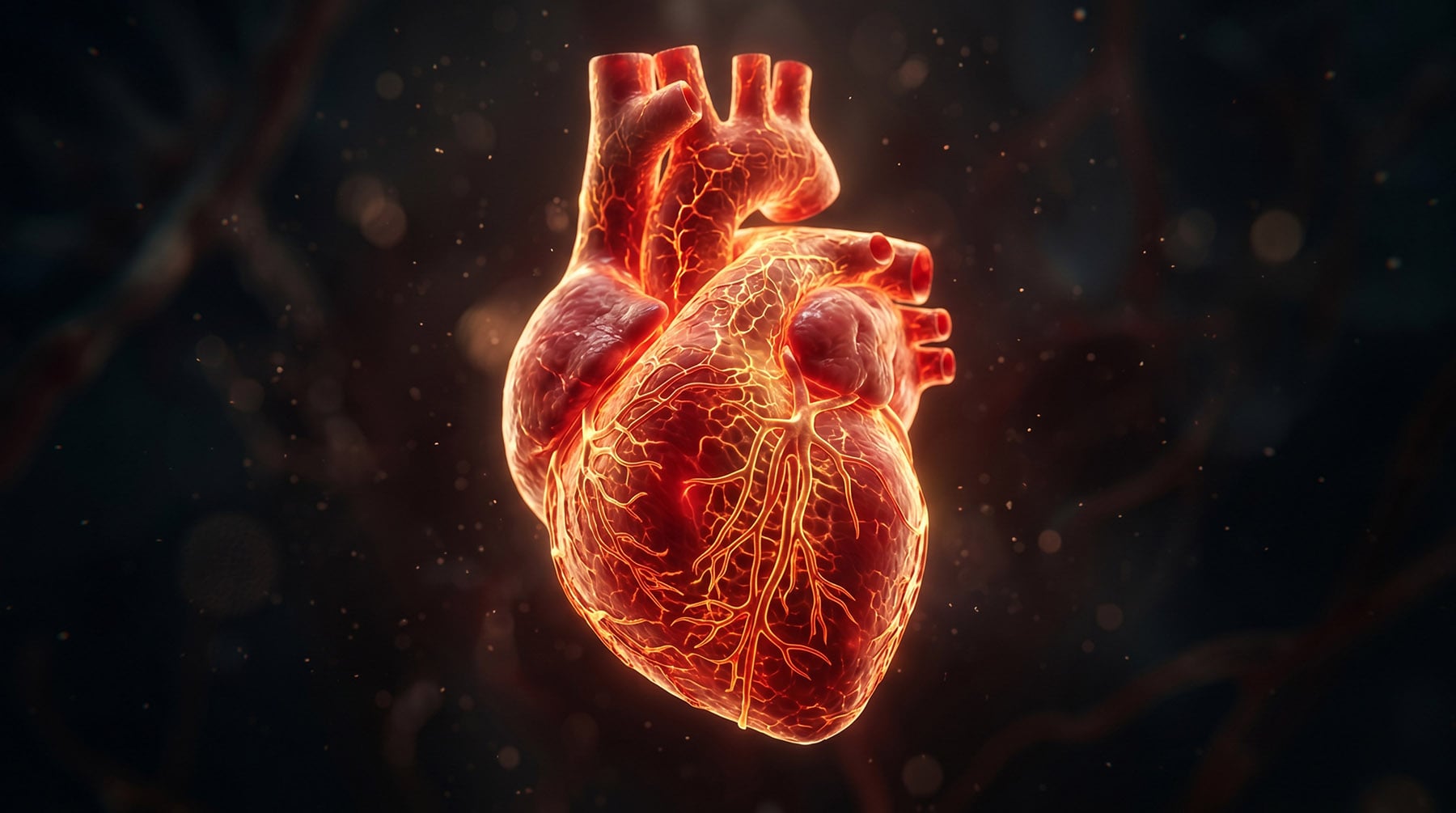
When the Arteries Look Clean: Microvascular Angina and Ischemia With No Obstructive Coronary Disease
Patients sometimes present with classic exertional chest pain, abnormal stress testing, or even troponin-positive events, and then return from coronary angiography with the news that[…]

The Gut That Talks to the Brain: Microbiome, Vagal Signaling, and the Biology of Mood
The gut-brain axis is a continuously active bidirectional communication system between the central nervous system and the gastrointestinal tract, and the microbial community living in[…]

Training Your Blood for Heat: The Cardiovascular Physiology of Acclimating to a Hot Summer
As temperatures climb across the Sunbelt, an under-recognized cardiovascular intervention becomes available for free: deliberate heat acclimation. The body’s response to repeated heat exposure is[…]

The Tax of Always-On Stress: Allostatic Load and the Cardiovascular Cost of Never Recovering
Allostasis is the physiologic process by which the body changes set points to meet acute demand — heart rate rises during a sprint, blood pressure[…]
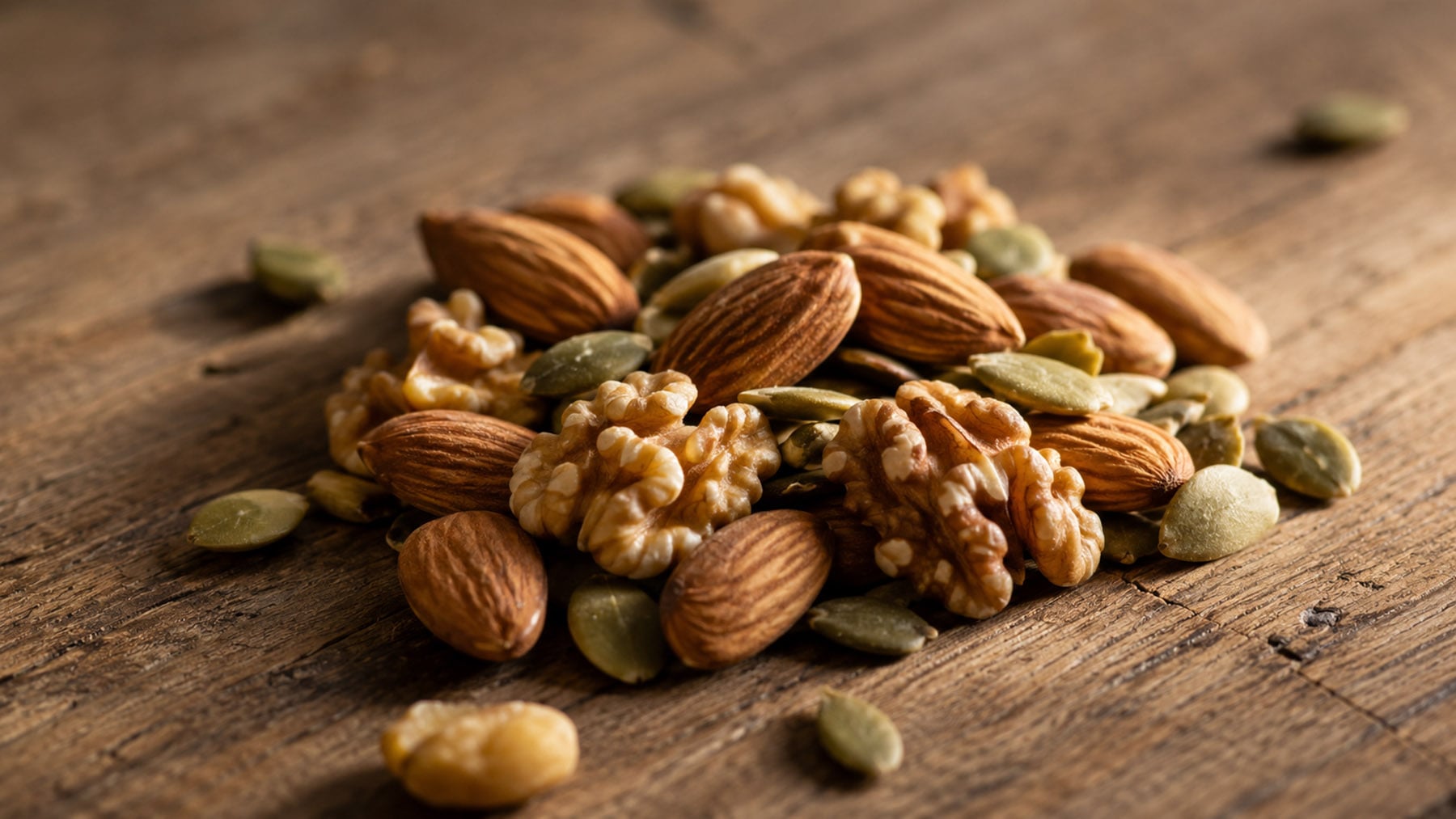
Two Grams That Move Your LDL: How Plant Sterols Block Cholesterol Absorption
Plant sterols and stanols are structural cousins of cholesterol. Their carbon skeletons are nearly identical, differing only by a small side group, which means they[…]

The Watch That Catches the Quiver: Smartwatch Detection of Atrial Fibrillation and Stroke Prevention
Atrial fibrillation is the most common sustained cardiac arrhythmia in adults, and its central clinical danger is silent. When the atria fibrillate, coordinated mechanical contraction[…]

Growth Hormone Is a Sleep Hormone: What Deep Sleep Does That Nothing Else Replaces
Growth hormone secretion is not a steady drip. It is pulsatile, with the largest physiologic release of the day clustered in the first half of[…]

The Caps on Your Chromosomes: Telomere Biology, Stress, and the Exercise That Lengthens Them
At each end of every chromosome lies a repeating DNA sequence called a telomere. The repeats themselves carry no protein code; their job is structural.[…]
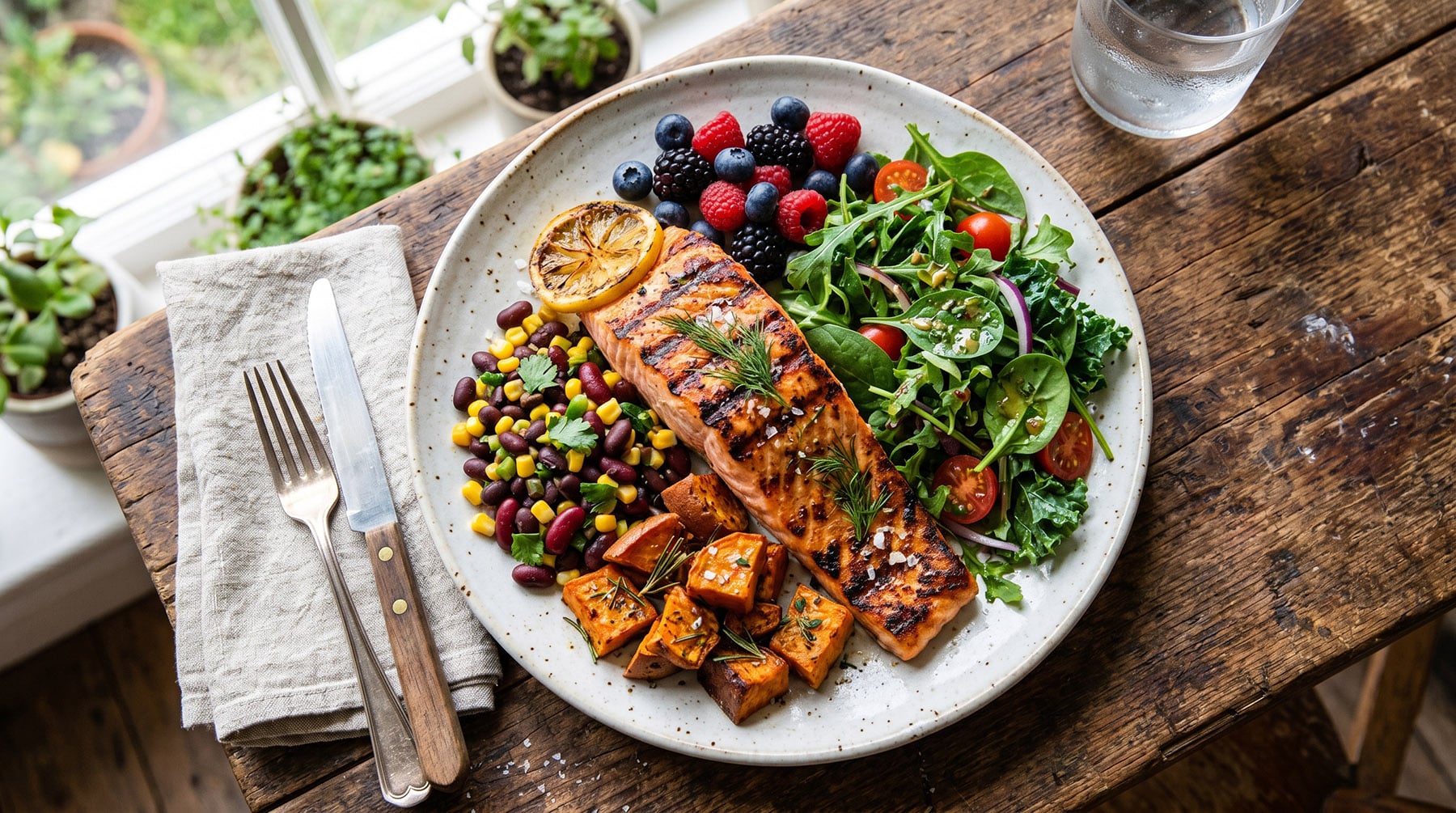
Eight to Ten Servings: The DASH Diet at Therapeutic Dose
Last month was High Blood Pressure Awareness Month, and one of the cleanest dietary intervention studies in modern cardiovascular medicine remains the original DASH trial.[…]

Rhodiola and the Worn-Out Brain: What the Adaptogen Actually Does Under Stress
Adaptogens are a small class of botanical compounds that share a specific physiological signature: when given to a stressed organism, they blunt the acute neuroendocrine[…]
Administrative Mailing Address:
9200 NW 39th Ave, Ste 130-3317
Gainesville, FL 32606