
The Healthy Monoculture: Vaginal Lactobacillus and the One Ecosystem Where Diversity Is Not the Goal
Key Takeaways: Almost everything we teach about the microbiome carries the same refrain: more species, more resilience. The vaginal Lactobacillus community is the standing exception,[…]

What Male Depression Actually Looks Like: Why the Textbook Description Misses Half the Cases
Key Takeaways: The standard depression checklist was developed and validated mostly on female patients, and it emphasizes the symptoms women are more likely to report:[…]

The Sun Under Your Skin: How UVA Releases Nitric Oxide and Lowers Blood Pressure
Key Takeaways: Sunlight and nitric oxide are connected by a chemistry that has nothing to do with vitamin D. The dermis and epidermis hold a[…]
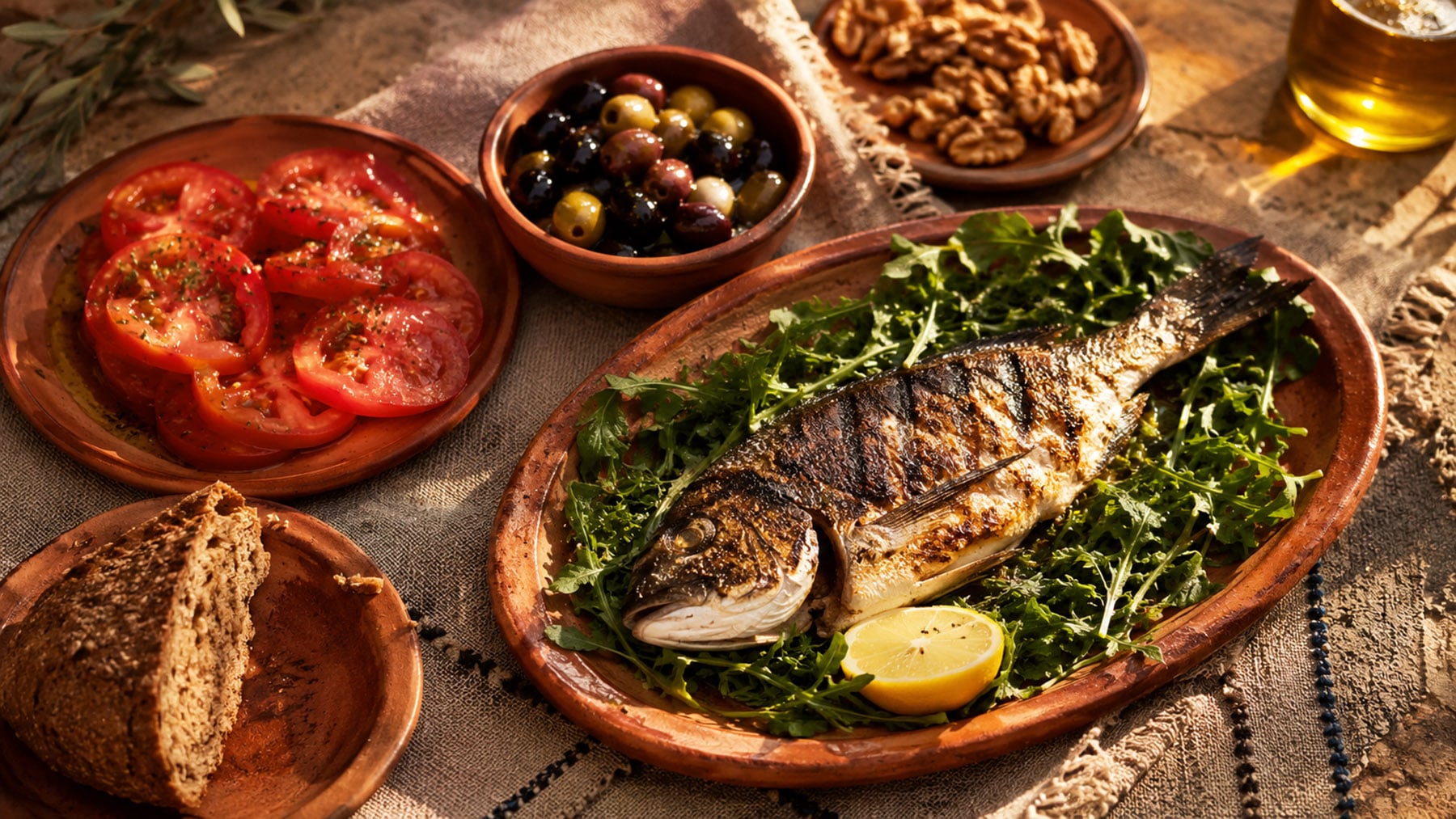
When ApoE4 Is Not Destiny: The Lifestyle Levers That Bend the Alzheimer’s Risk Curve
Key Takeaways: June is also Alzheimer’s and Brain Awareness Month, and the most-studied genetic risk factor for late-onset Alzheimer’s is apolipoprotein E. In the landmark[…]

Twenty Minutes With a Notebook: How Expressive Writing Quiets the Stress Response
Key Takeaways: June is PTSD Awareness Month, and one of the most studied non-pharmacologic tools for traumatic stress is also one of the simplest. In[…]

The Gut That Talks to the Brain: Microbiome, Vagal Signaling, and the Biology of Mood
The gut-brain axis is a continuously active bidirectional communication system between the central nervous system and the gastrointestinal tract, and the microbial community living in[…]

Rhodiola and the Worn-Out Brain: What the Adaptogen Actually Does Under Stress
Adaptogens are a small class of botanical compounds that share a specific physiological signature: when given to a stressed organism, they blunt the acute neuroendocrine[…]

The Mortality Benefit of Belonging: Spiritual Practice and Physiology
A consistent finding across decades of epidemiological research is that adults who attend religious services regularly, or who maintain a sustained personal spiritual practice, live[…]
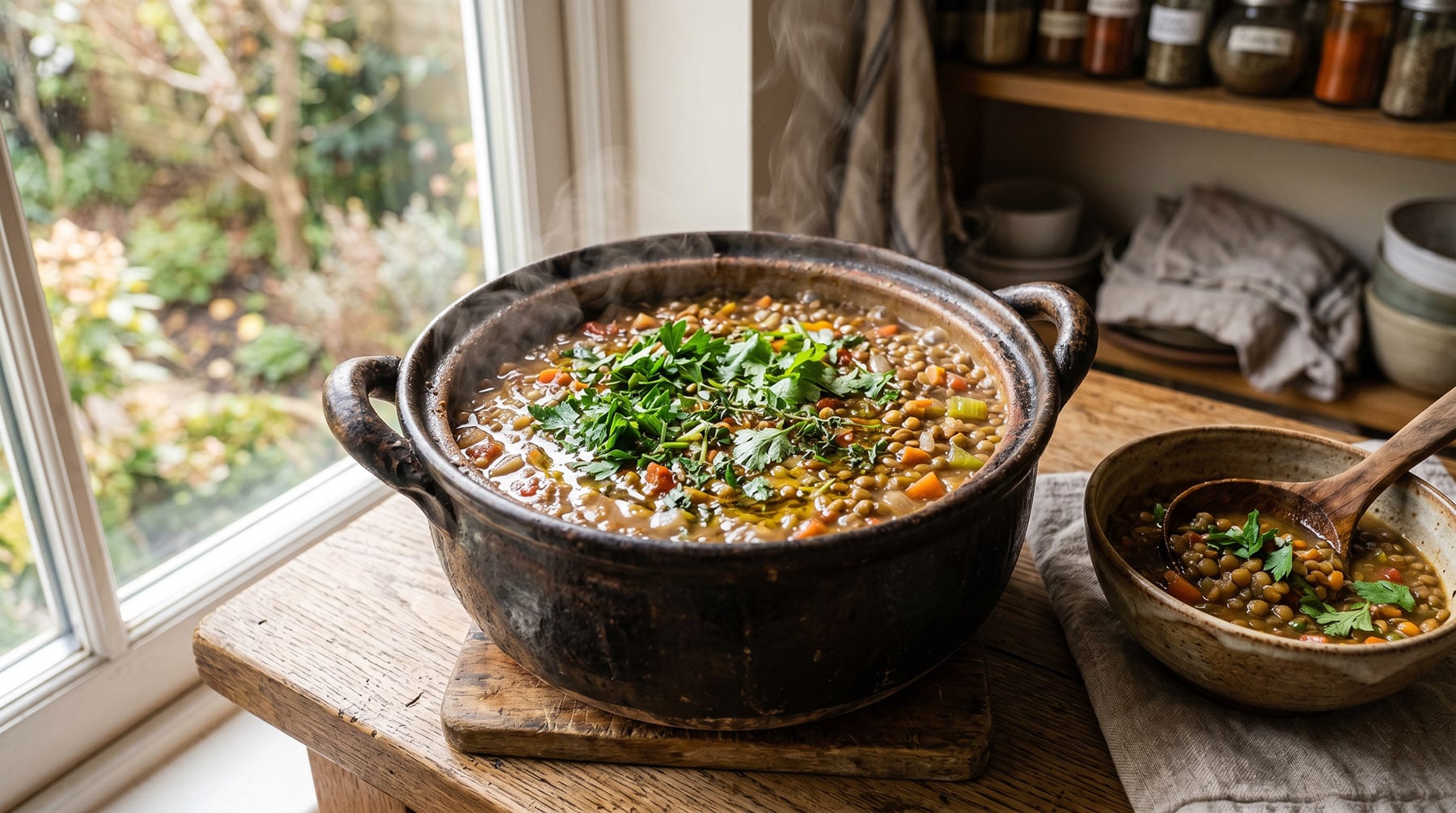
A Cup of Beans a Day: The Quietest Lesson From the Blue Zones
When Dan Buettner and the National Geographic team mapped the five Blue Zones—Okinawa, Sardinia, Nicoya, Loma Linda, and Ikaria—the dietary commonality across vastly different cultures[…]

Where the Body Holds the Score: Fascia, Sympathetic Tone, and Somatic Release
The clinical observation that emotional trauma seems to lodge somewhere beyond the cognitive mind has migrated from psychotherapy lore into mainstream physiology. Sustained sympathetic nervous[…]
Administrative Mailing Address:
9200 NW 39th Ave, Ste 130-3317
Gainesville, FL 32606