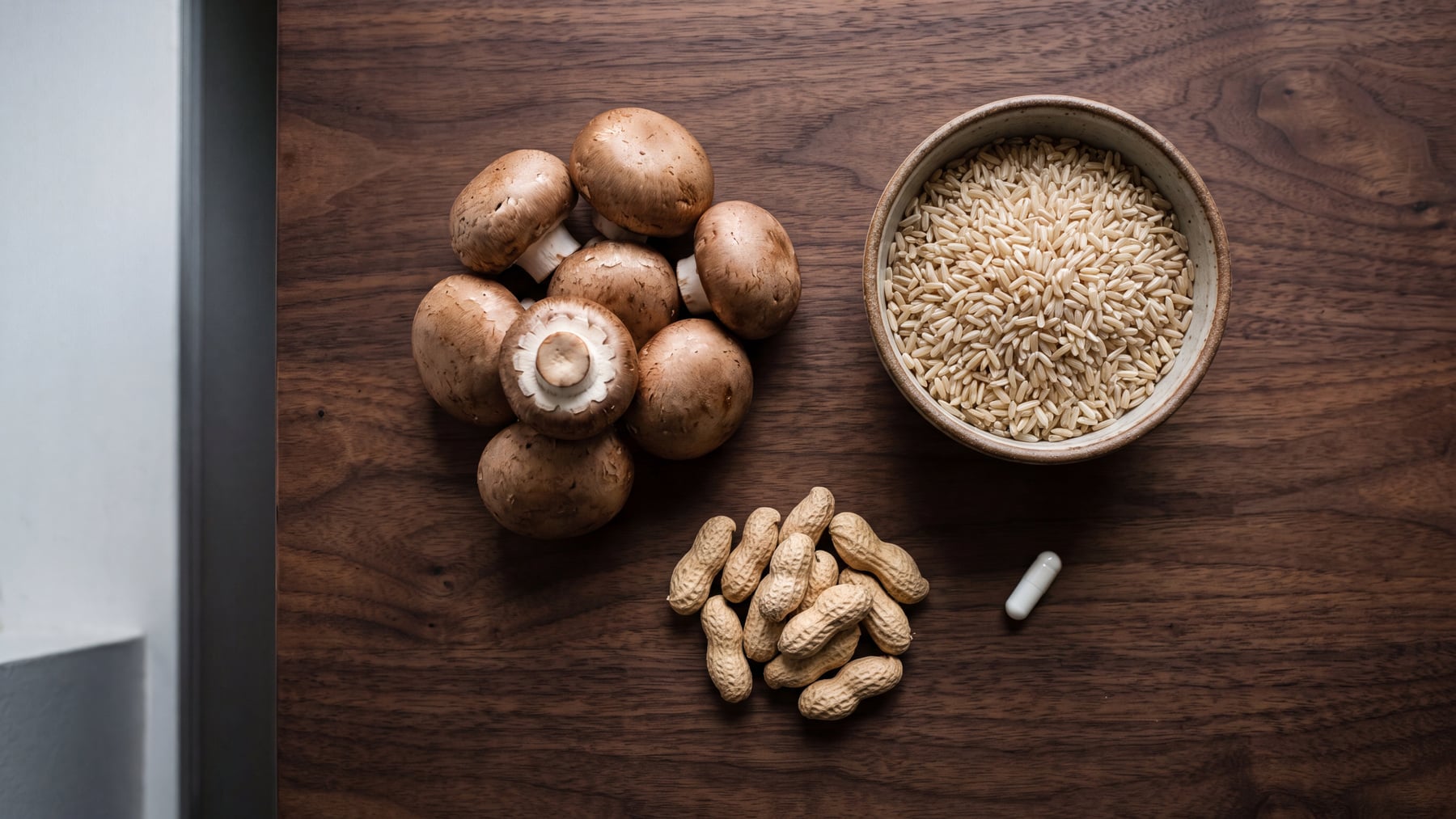
Refueling the Repair Crew: Nicotinamide, NAD+, and the DNA Damage Sunlight Leaves Behind
Key Takeaways: Every hour spent in July sunlight leaves a molecular paper trail, which is exactly why UV Safety Month is a reasonable time to[…]

The Largest Modifiable Dementia Risk: Why Hearing Loss in Midlife Matters More Than You Think
The link between hearing loss and dementia is now among the most robust findings in prevention research. In the most recent Lancet standing Commission on[…]

The Bedroom Is the Endocrine Lab: How Short Sleep Crashes Testosterone
Key Takeaways: Sleep and testosterone are tightly coupled. Testosterone in men follows a strong circadian rhythm, with the lion’s share of the day’s secretion generated[…]

Sunscreen and the Real Anti-Aging Regimen: How UV Drives Photoaging at the Molecular Level
Summer ultraviolet exposure peaks between roughly ten in the morning and four in the afternoon, and the damage it does to skin is not cosmetic[…]

Training Your Blood for Heat: The Cardiovascular Physiology of Acclimating to a Hot Summer
As temperatures climb across the Sunbelt, an under-recognized cardiovascular intervention becomes available for free: deliberate heat acclimation. The body’s response to repeated heat exposure is[…]
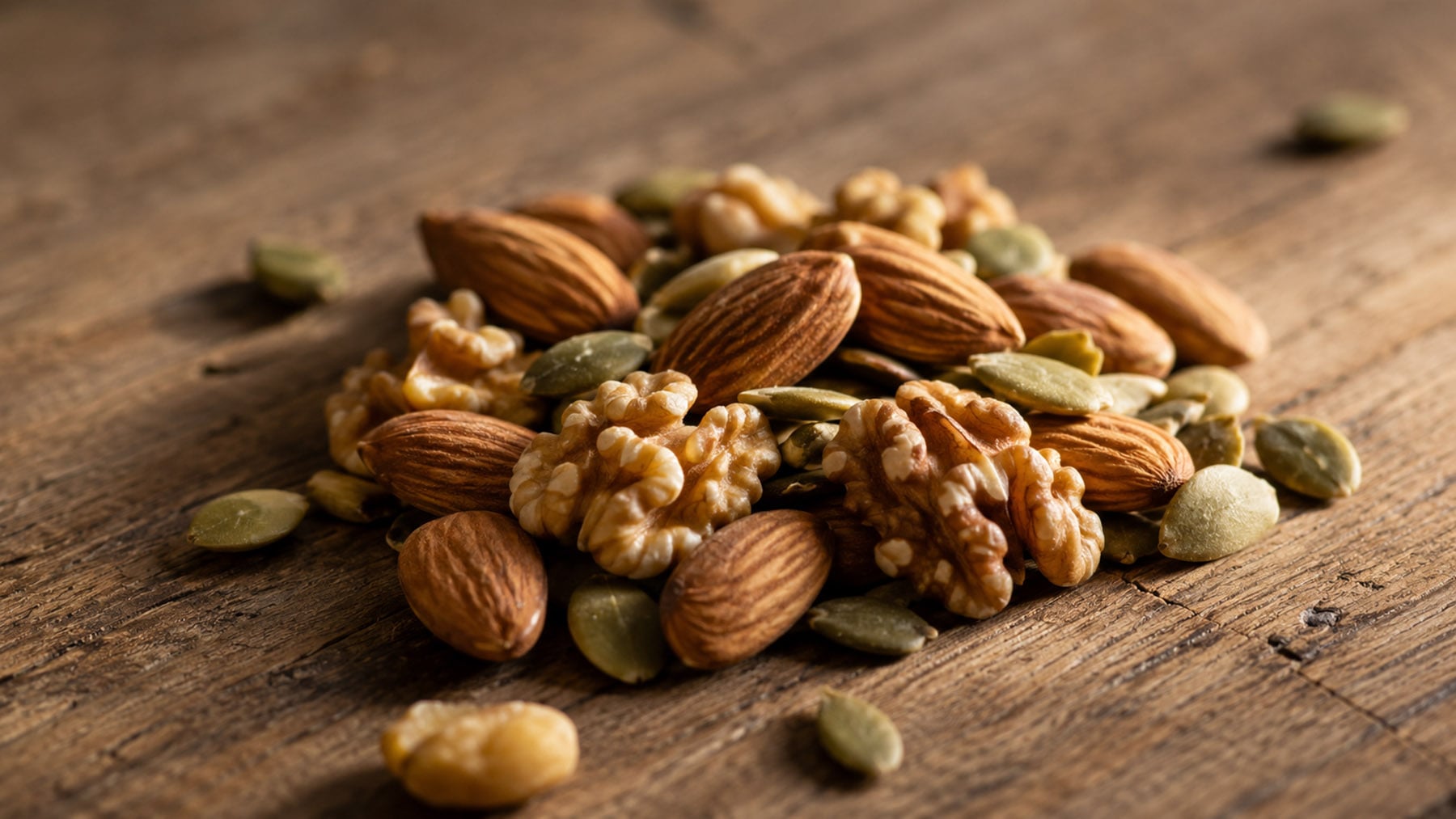
Two Grams That Move Your LDL: How Plant Sterols Block Cholesterol Absorption
Plant sterols and stanols are structural cousins of cholesterol. Their carbon skeletons are nearly identical, differing only by a small side group, which means they[…]

Growth Hormone Is a Sleep Hormone: What Deep Sleep Does That Nothing Else Replaces
Growth hormone secretion is not a steady drip. It is pulsatile, with the largest physiologic release of the day clustered in the first half of[…]
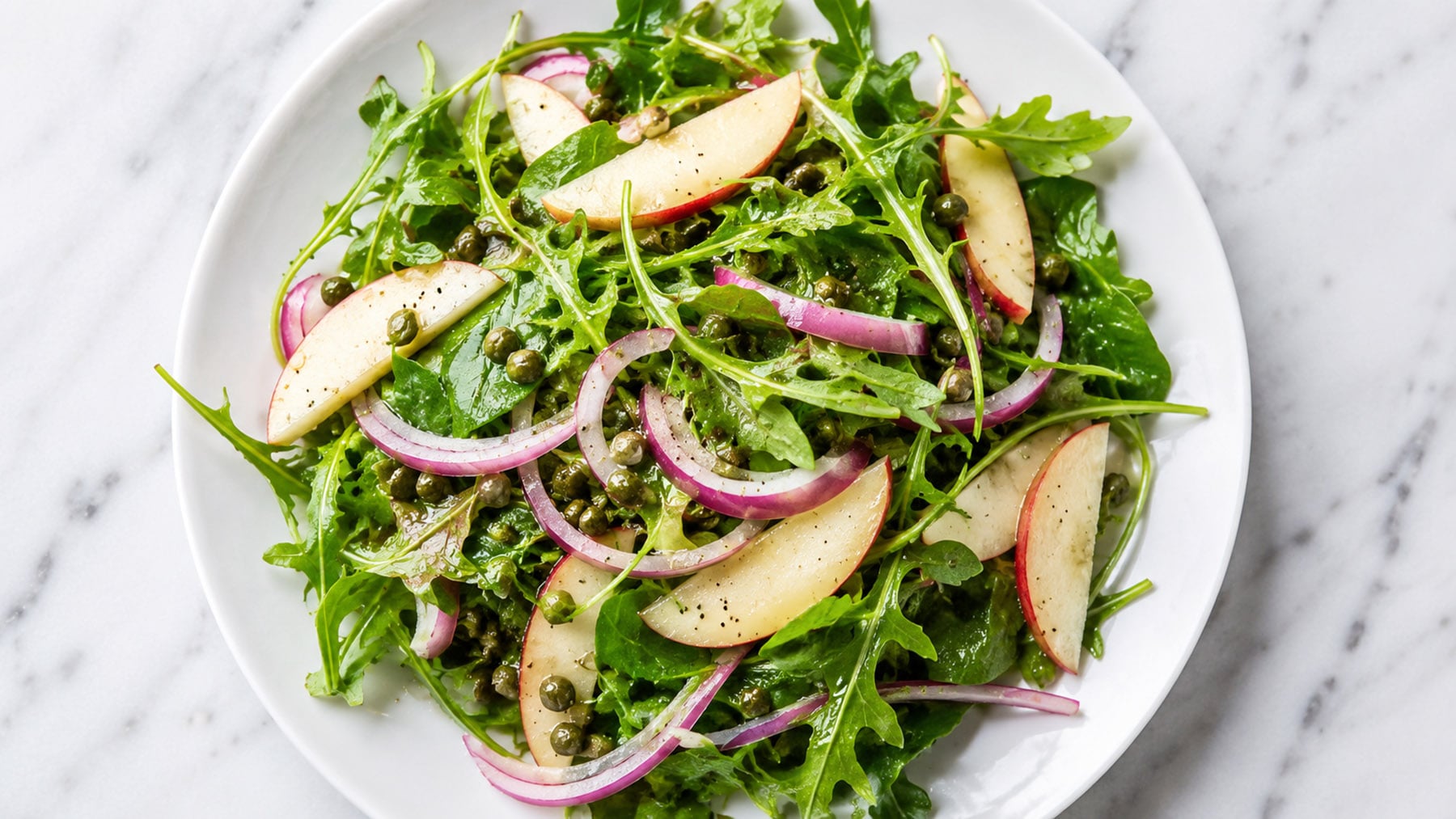
Quercetin and the Mast Cell: Eating Through the Worst Pollen Weeks
As pollen counts peak in late May, patient inboxes fill with the familiar complaints of allergic rhinitis: nasal congestion, post-nasal drip, itchy eyes, fatigue, and[…]

Building the Brain’s Backup: Cognitive Reserve and Lifelong Learning
Cognitive reserve is the brain’s ability to maintain function in the face of pathology. The concept emerged from a series of autopsy studies in the[…]
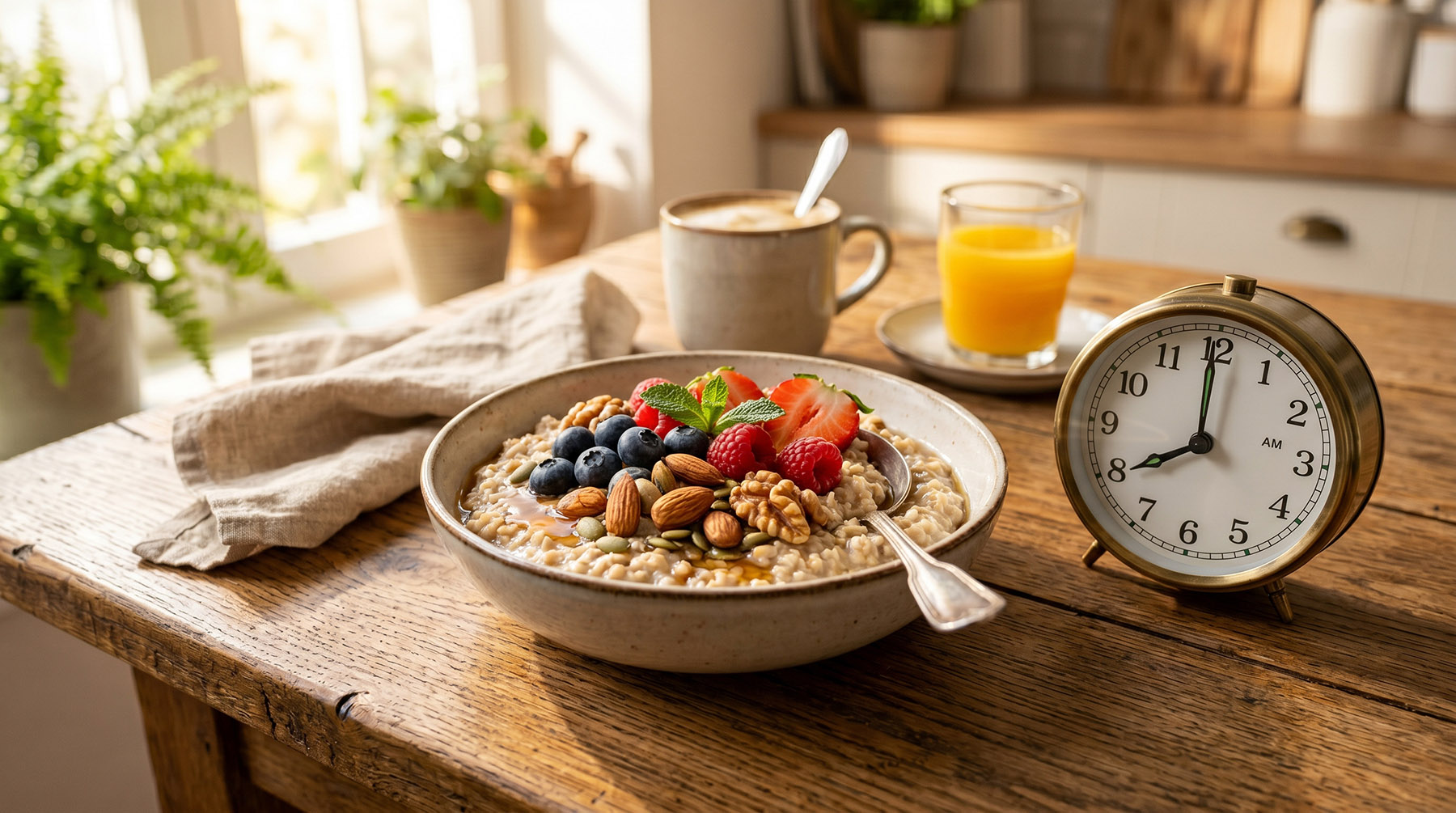
The Pancreas on a Clock: Why When You Eat Rivals What You Eat
The pancreas, like nearly every organ in the body, runs on a circadian schedule. Its beta cells contain the same molecular clock genes—BMAL1, CLOCK, PER1/2,[…]
Administrative Mailing Address:
9200 NW 39th Ave, Ste 130-3317
Gainesville, FL 32606