As pollen counts peak in late May, patient inboxes fill with the familiar complaints of allergic rhinitis: nasal congestion, post-nasal drip, itchy eyes, fatigue, and fragmented sleep. The underlying biology is mast cell activation. Inhaled pollen proteins cross-link IgE molecules on the mast cell surface, triggering rapid degranulation and release of histamine, leukotrienes, prostaglandin D2, and tryptase. The downstream tissue effects—vasodilation, mucus production, sensory nerve activation—are mediated principally by histamine through H1 receptors, with leukotrienes contributing the persistent congestion that antihistamines incompletely address.
Beyond pharmaceutical antihistamines, dietary inputs measurably stabilize mast cells. Quercetin, a flavonoid concentrated in onions, apples, capers, kale, dill, and red wine, inhibits mast cell degranulation through several mechanisms—it stabilizes the cell membrane, reduces intracellular calcium influx required for granule release, and dampens NF-kappa-B-mediated cytokine production. In randomized trials of allergic rhinitis, quercetin supplementation at four hundred to one thousand milligrams daily reduced symptom scores meaningfully and was synergistic with standard antihistamines. Vitamin C also contributes: in Johnston’s controlled supplementation studies, two grams of ascorbic acid daily for two weeks lowered blood histamine by roughly thirty-eight percent in healthy adults, an effect attributed to accelerated histamine catabolism rather than direct receptor blockade, and one that builds over days to weeks of dosing rather than acutely. Omega-3 fatty acids reduce leukotriene B4 production. Local raw honey, despite its folkloric reputation, has minimal evidence; quercetin has substantial evidence.
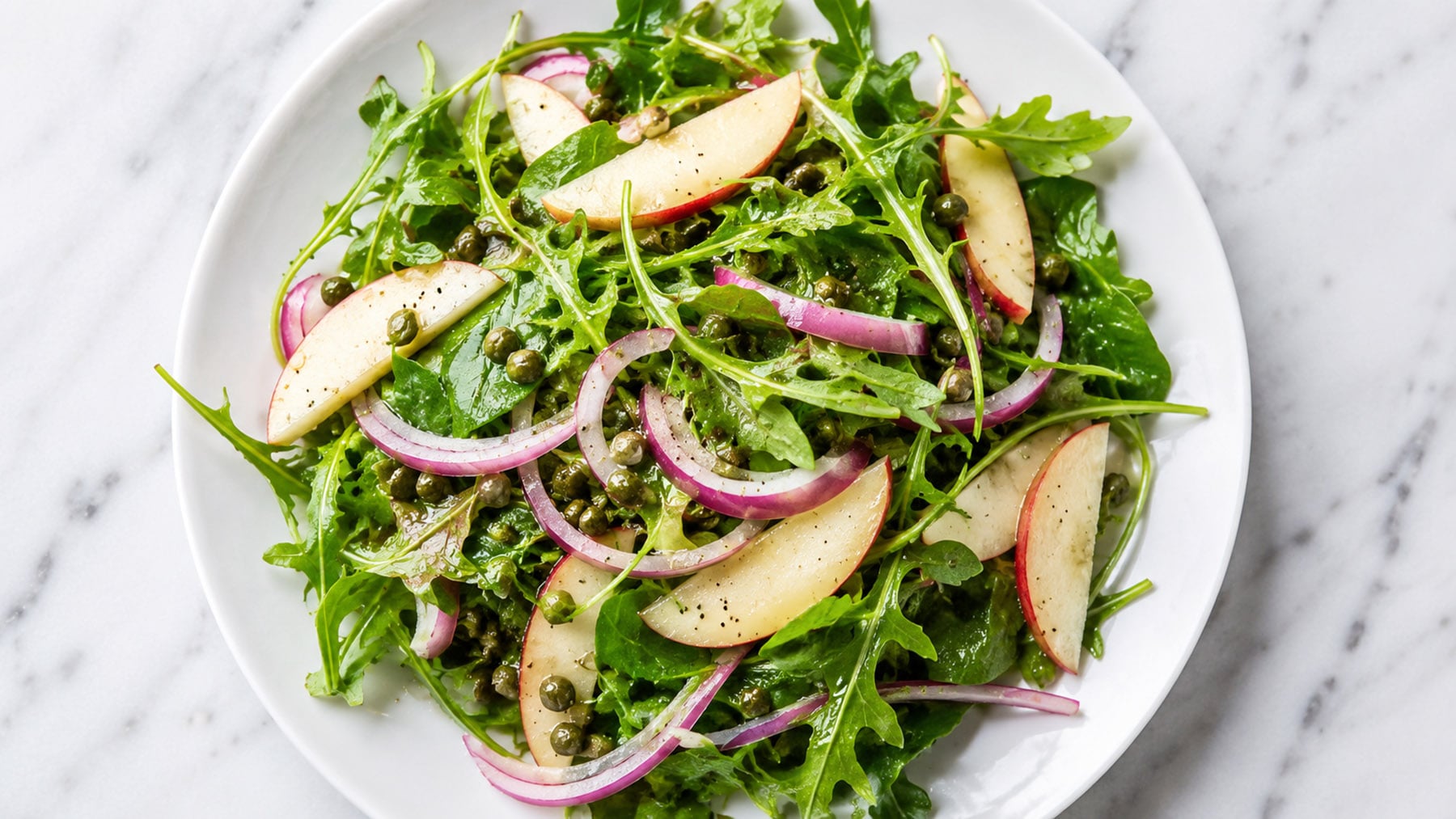
A practical seasonal protocol pairs the dietary inputs with mechanical reduction of allergen exposure. A daily quercetin-rich meal—an apple-and-onion salad, sautéed kale with capers, or a smoothie with kale, apple, and dill—provides the food-based dose. Vitamin C from citrus or supplementation supports histamine clearance over the season rather than within a single afternoon. An evening shower removes pollen before bed, HEPA filtration reduces overnight load, and second-generation antihistamines taken in the early evening align peak effect with the pre-dawn histamine surge. For patients whose symptoms outrun this approach, a four-week course of intranasal corticosteroid started two weeks before peak pollen achieves the most reliable control. The goal is to keep the immune system from spending the entire season in a low-grade inflammatory state that disturbs sleep, mood, and energy.
References:
- Mlcek, J., Jurikova, T., Skrovankova, S., & Sochor, J. (2016). Quercetin and its anti-allergic immune response. Molecules, 21(5), 623.
- Jafarinia, M., Sadat Hosseini, M., Kasiri, N., Fazel, N., Fathi, F., Ganjalikhani Hakemi, M., & Eskandari, N. (2020). Quercetin with the potential effect on allergic diseases. Allergy, Asthma & Clinical Immunology, 16, 36.
- Johnston, C. S., Martin, L. J., & Cai, X. (1992). Antihistamine effect of supplemental ascorbic acid and neutrophil chemotaxis. Journal of the American College of Nutrition, 11(2), 172-176.
Comments are closed