
Across the Southeast, late April and early May deliver some of the highest pollen counts of the year. Tree pollen from oak, birch, pine, and cedar blends with early grass species, and many patients across warm-climate regions routinely watch their congestion, eye irritation, and sleep quality deteriorate in lockstep with the daily pollen forecast. The allergic reaction itself is well understood. Inhaled pollen proteins cross the nasal mucosa and bind to immunoglobulin E on the surface of mast cells, which then degranulate and release histamine, leukotrienes, and prostaglandins. The vasodilation, mucus production, and tissue swelling that follow are not simply a nuisance; they are an immune response that consumes energy and disturbs sleep architecture for as long as the antigen is present.
The under-appreciated factor is that the allergen does not stop circulating when the patient steps indoors. Pollen grains are sticky, electrostatic, and roughly twenty to one hundred microns across, and they cling readily to hair, exposed skin, eyelashes, and the fibers of daytime clothing. Without intervention, that allergen load is delivered straight into the bedroom, then onto the pillow, then deposited centimeters from the nasal airway for the seven to nine hours of intended sleep. Histamine peaks naturally in the early morning hours regardless of allergen exposure, so the combination produces predictable four-AM awakenings, fragmented REM cycles, and the morning headache and brain fog that allergic patients describe more than the daytime sneezing.
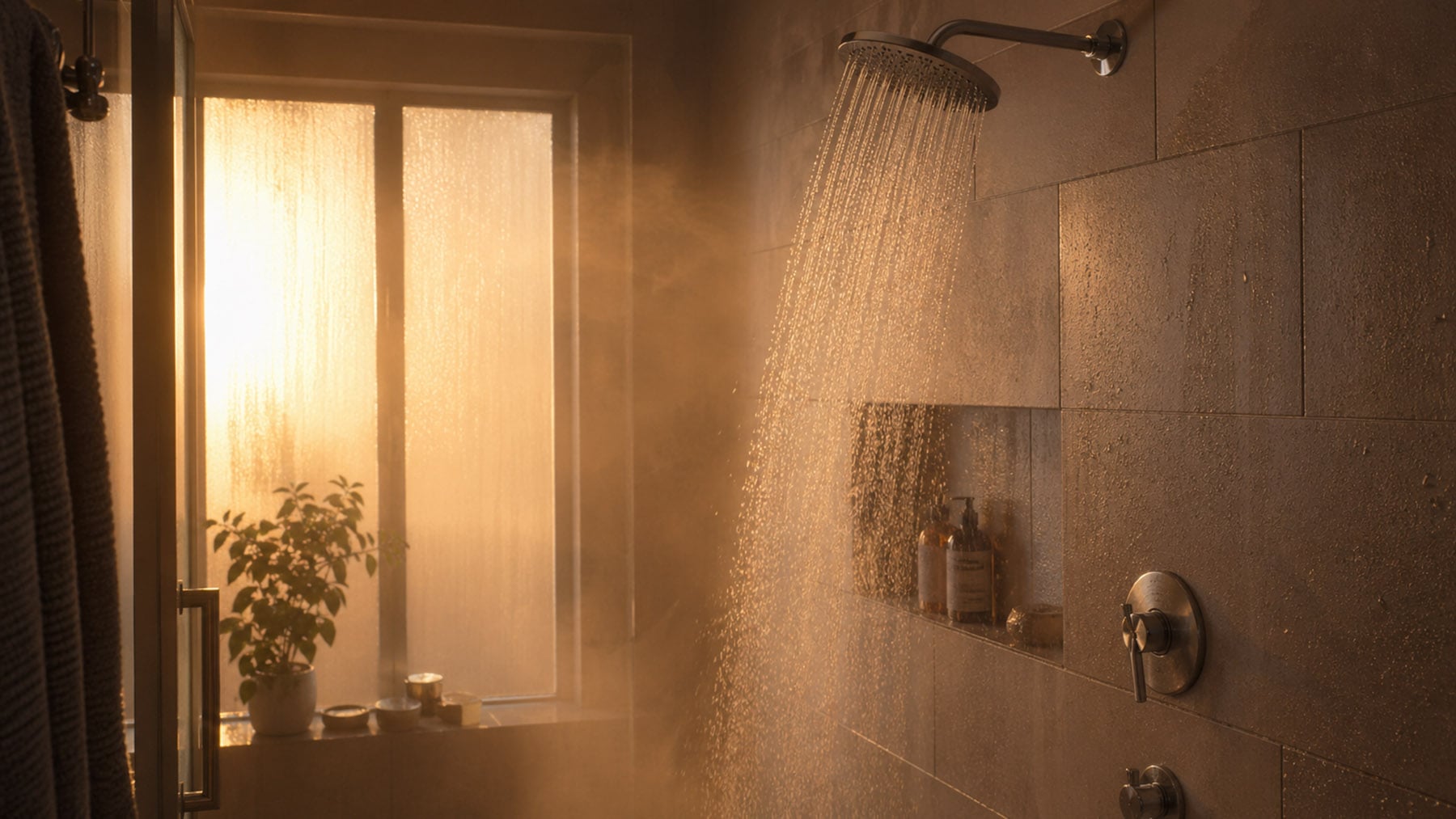
A short evening shower with shampoo, performed at any point after the last outdoor exposure of the day and before pillow contact, mechanically removes the bulk of the deposited allergen. The same applies to changing out of daytime clothing before sitting on bedding. Washing pillowcases weekly in hot water, running a HEPA filter in the bedroom, and keeping bedroom windows closed during peak pollen hours each add incremental benefit. For patients on second-generation antihistamines, taking the dose in the early evening rather than the morning aligns the peak antihistaminic effect with the pre-dawn histamine surge. None of these interventions replace targeted medical treatment for severe allergic disease, but together they reduce the overnight allergen dose by an order of magnitude and meaningfully restore sleep quality during the worst weeks of the season.
References:
- Léger, D., Bonnefoy, B., Pigearias, B., de La Giclais, B., & Chartier, A. (2017). Poor sleep is highly associated with house dust mite allergic rhinitis in adults and children. Allergy, Asthma & Clinical Immunology, 13, 36.
- Storms, W., & Yawn, B. (2010). Allergic rhinitis: The patient’s perspective. Journal of Family Practice, 59(7 Suppl), S5-S8.
- Smolensky, M. H., Lemmer, B., & Reinberg, A. E. (2007). Chronobiology and chronotherapy of allergic rhinitis and bronchial asthma. Advanced Drug Delivery Reviews, 59(9-10), 852-882.
Comments are closed