Insulin-like growth factor 1 (IGF-1) is a hormone that plays a pivotal role in how our bodies grow and develop. During childhood and adolescence, robust levels of IGF-1 are absolutely critical; it acts as a primary driver for bone and tissue growth, ensuring we reach our full physical maturity. However, as we transition into adulthood and our growth phase concludes, the role of IGF-1 shifts. In adult bodies, chronically high levels of this hormone act like a constantly running engine, accelerating cellular aging and promoting the rapid cell division that can create a hospitable environment for tumor growth. Simply put, the same biological signal that builds a healthy child can prematurely age an adult.
The food we eat heavily influences how much IGF-1 our bodies produce, and the type of protein we consume is the primary trigger. Diets rich in animal proteins—such as meat, poultry, and dairy—are packed with specific profiles of essential amino acids that strongly signal the liver to ramp up IGF-1 production. When you consistently consume high amounts of animal protein, your body remains in an artificial state of hyper-growth. Swapping to a plant-forward diet directly intervenes in this process. Plant proteins have a different amino acid composition that does not overstimulate the liver, allowing circulating IGF-1 to drop to the lower, safer baseline levels that researchers consistently link to enhanced longevity and a reduced risk of age-related diseases.
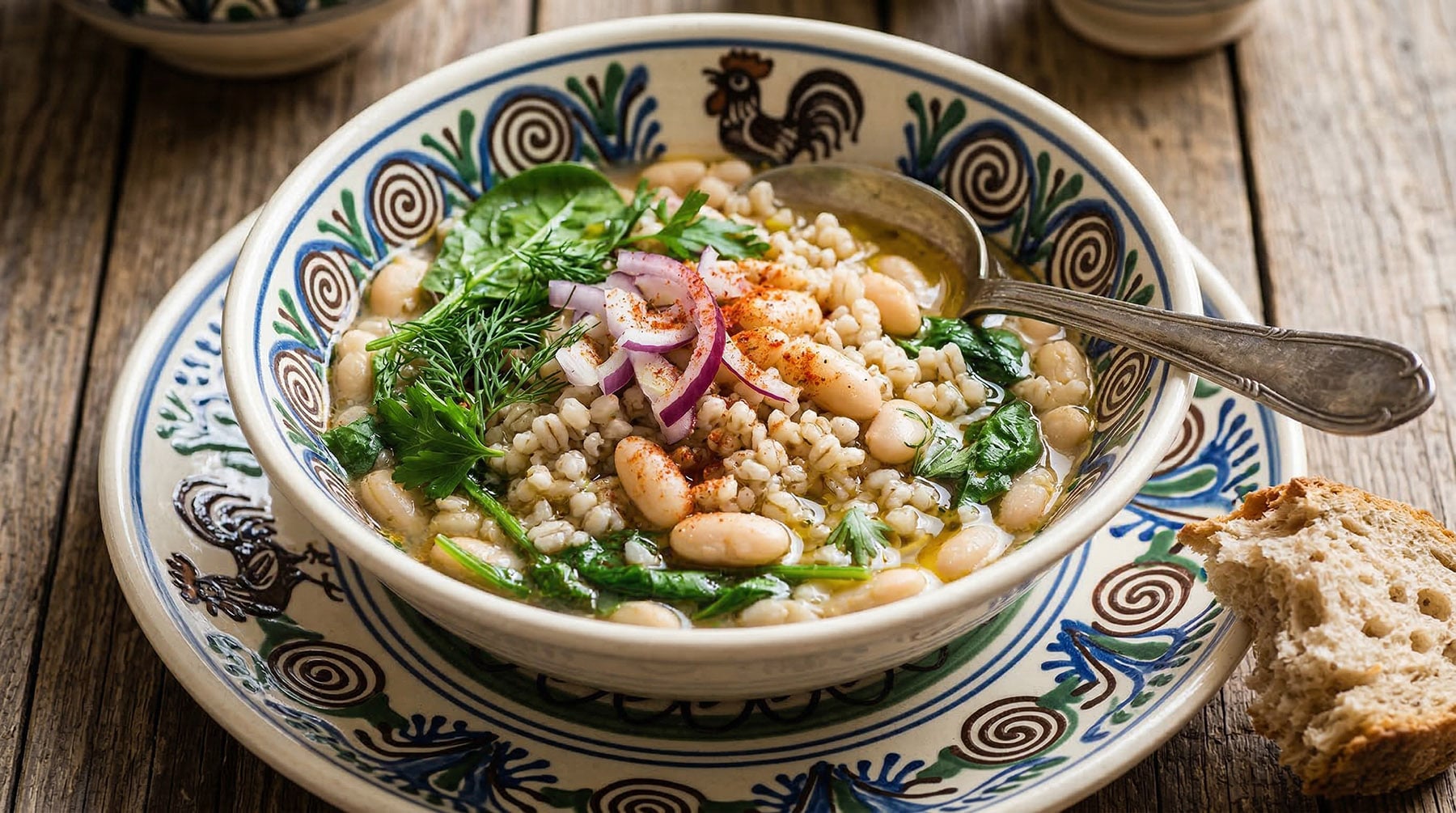
Fortunately, making this dietary swap does not mean sacrificing your strength or muscle mass. Whole-food plant proteins like lentils, chickpeas, and quinoa provide all the essential amino acids your muscles need to repair, recover, and grow after physical activity. The crucial difference is that these foods deliver their protein alongside digestion-slowing fiber and protective phytonutrients, supporting healthy muscle maintenance without triggering the excessive IGF-1 spikes associated with meat. By relying on these nutrient-dense legumes and ancient grains, you can fully fuel an active, strong body while keeping your aging pathways quiet and controlled.
References:
- Levine, M. E., Suarez, J. A., Brandhorst, S., et al. (2014). Low Protein Intake is Associated with a Major Reduction in IGF-1, Cancer, and Overall Mortality in the 65 and Younger but Not Older Population. Cell Metabolism, 19(3), 407-417.
- Allen, N. E., Appleby, P. N., Davey, G. K., & Key, T. J. (2002). Hormones and diet: low insulin-like growth factor-I but high sex hormone-binding globulin levels in vegans. Cancer Epidemiology, Biomarkers & Prevention, 11(11), 1441-1448.
- Fontana, L., Weiss, E. P., Villareal, D. T., et al. (2008). Long-term effects of calorie or protein restriction on serum IGF-1 and IGFBP-3 concentration in humans. Aging Cell, 7(5), 681-687.
Comments are closed