
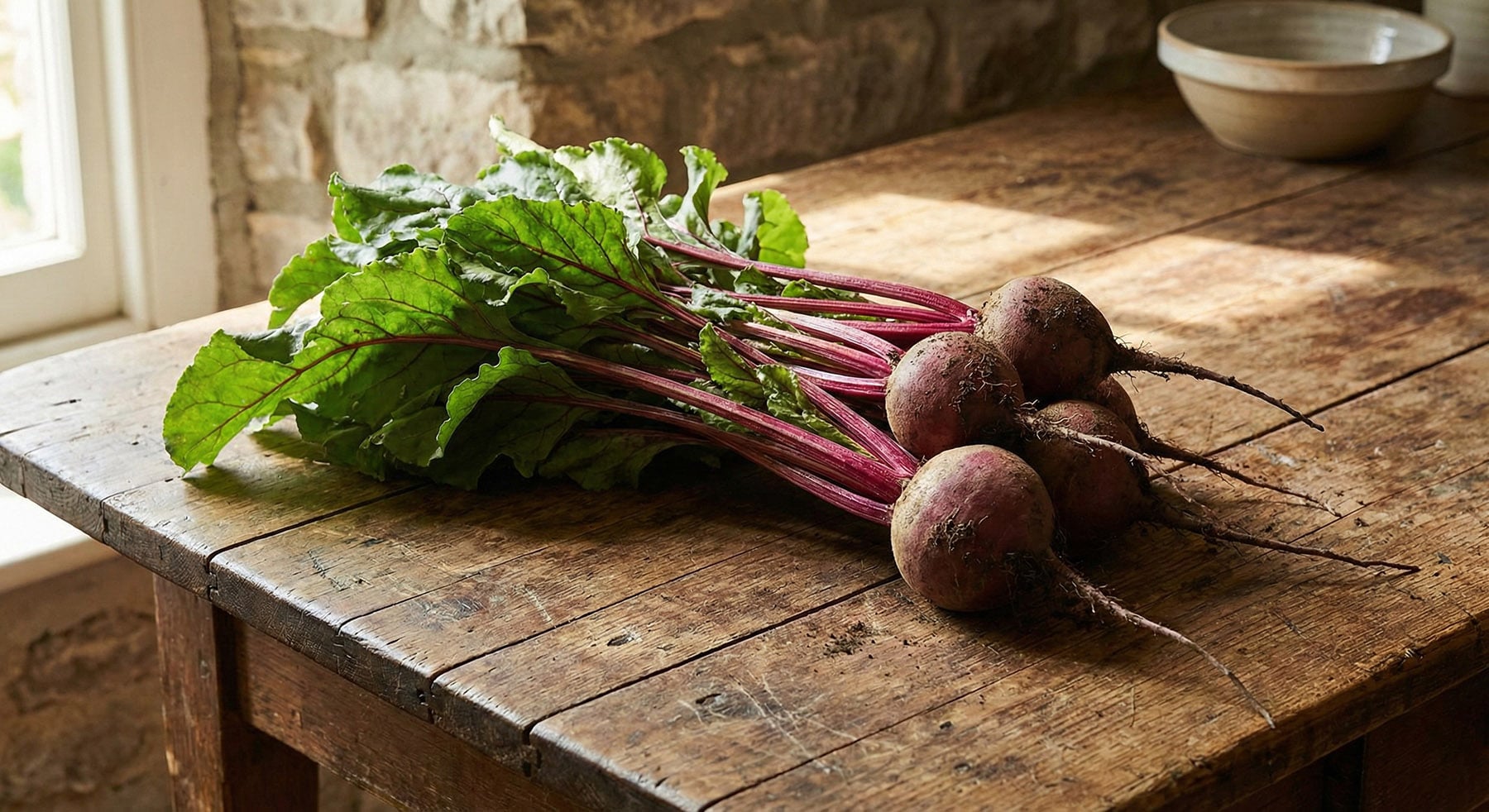
Beets are widely recognized as “nature’s vasodilator” due to their exceptionally high concentration of dietary nitrates. When you consume beetroot juice or whole beets, your body initiates a complex conversion process: oral bacteria turn these nitrates into nitrites, which are then converted into Nitric Oxide ($NO$) in the stomach. This molecule acts as a biological signaling agent that relaxes the smooth muscles surrounding your arteries—a process known as vasodilation. The result is wider blood vessels that facilitate smoother blood flow and systemic circulation, delivering nutrients more efficiently throughout the body.
For individuals managing hypertension, incorporating beets into the diet serves as a powerful, non-pharmaceutical adjunct strategy. Research has consistently demonstrated that the vasodilation caused by beetroot consumption can lead to acute reductions in both systolic and diastolic blood pressure. By improving endothelial function—the health of the inner lining of blood vessels—beets help mitigate arterial stiffness, which is a primary risk factor for cardiovascular disease. While not a replacement for medication, consistent intake can significantly aid in maintaining healthy pressure levels naturally.
In the world of sports science, beetroot juice has arguably become the most popular natural ergogenic aid for endurance athletes. The influx of Nitric Oxide does more than just open blood vessels; it improves the efficiency of mitochondria, the “power plants” of cells. This allows muscles to perform the same amount of work while consuming less oxygen, effectively lowering the oxygen cost of exercise. Consequently, athletes often experience improved time-to-exhaustion and better cardiorespiratory performance, making beets a staple for runners, cyclists, and swimmers looking for a competitive edge.
References
- Siervo, M., et al. (2013). “Inorganic nitrate and beetroot juice supplementation reduces blood pressure in adults: a systematic review and meta-analysis.” The Journal of Nutrition, 143(6), 818-826.
- Jones, A. M. (2014). “Dietary nitrate supplementation and exercise performance.” Sports Medicine, 44(Suppl 1), 35-45.
- Domínguez, R., et al. (2017). “Effects of Beetroot Juice Supplementation on Cardiorespiratory Endurance in Athletes. A Systematic Review.” Nutrients, 9(1), 43.
Comments are closed