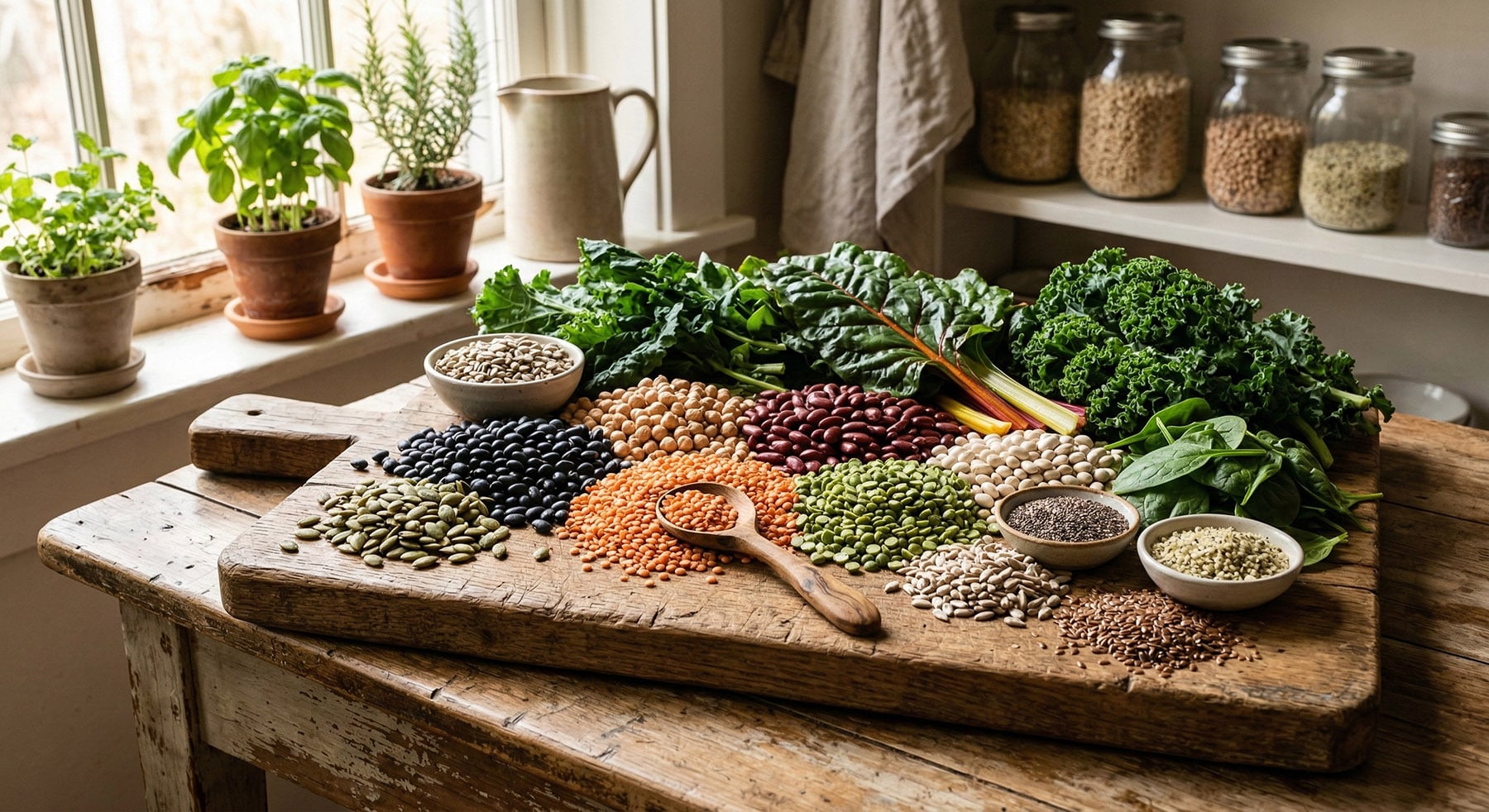
Shifting to a whole-food, plant-based diet doesn’t just change what is on your plate; it fundamentally alters your blood chemistry from the inside out. When you replace animal products and processed meals with a rich array of whole grains, legumes, and vegetables, your body experiences a profound metabolic shift. A key driver of this transformation is the introduction of a high volume of plant-specific compounds that actively protect your cardiovascular system, effectively treating food as a targeted biological intervention.
The most powerful players in this process are phytosterols—naturally occurring compounds in plants that structurally mimic human cholesterol. Because their molecular shape is so remarkably similar to animal-derived cholesterol, your digestive tract actually struggles to tell them apart. When both are present in your gut, these plant sterols aggressively compete with cholesterol for absorption into the specialized transporters, known as micelles, that carry fats across the intestinal wall. By essentially taking up all the available “seats” on these transporters, phytosterols effectively block dietary and biliary cholesterol from entering your bloodstream, forcing your body to excrete it as waste.
This biological competition is exactly how eating more beans, vegetables, nuts, and seeds translates directly into lower LDL (low-density lipoprotein) numbers. As your cholesterol absorption drops in the gut, your liver responds by pulling more circulating LDL out of your bloodstream to meet its baseline physiological needs, leading to a significant and measurable drop in your overall cholesterol levels. Embracing a diverse range of whole plant foods isn’t just about avoiding harmful fats; it is about actively leveraging plant chemistry to clear your arteries and optimize your long-term heart health.
References
- Gylling, H., et al. (2014). “Plant sterols and plant stanols in the management of dyslipidaemia and prevention of cardiovascular disease.” Atherosclerosis, 232(2), 346-360.
- Trautwein, E. A., et al. (2018). “LDL-Cholesterol Lowering of Plant Sterols and Stanols—Which Factors Influence Their Efficacy?” Nutrients, 10(9), 1262.
- Satija, A., & Hu, F. B. (2018). “Plant-based diets and cardiovascular health.” Trends in Cardiovascular Medicine, 28(7), 437-441.
Comments are closed