
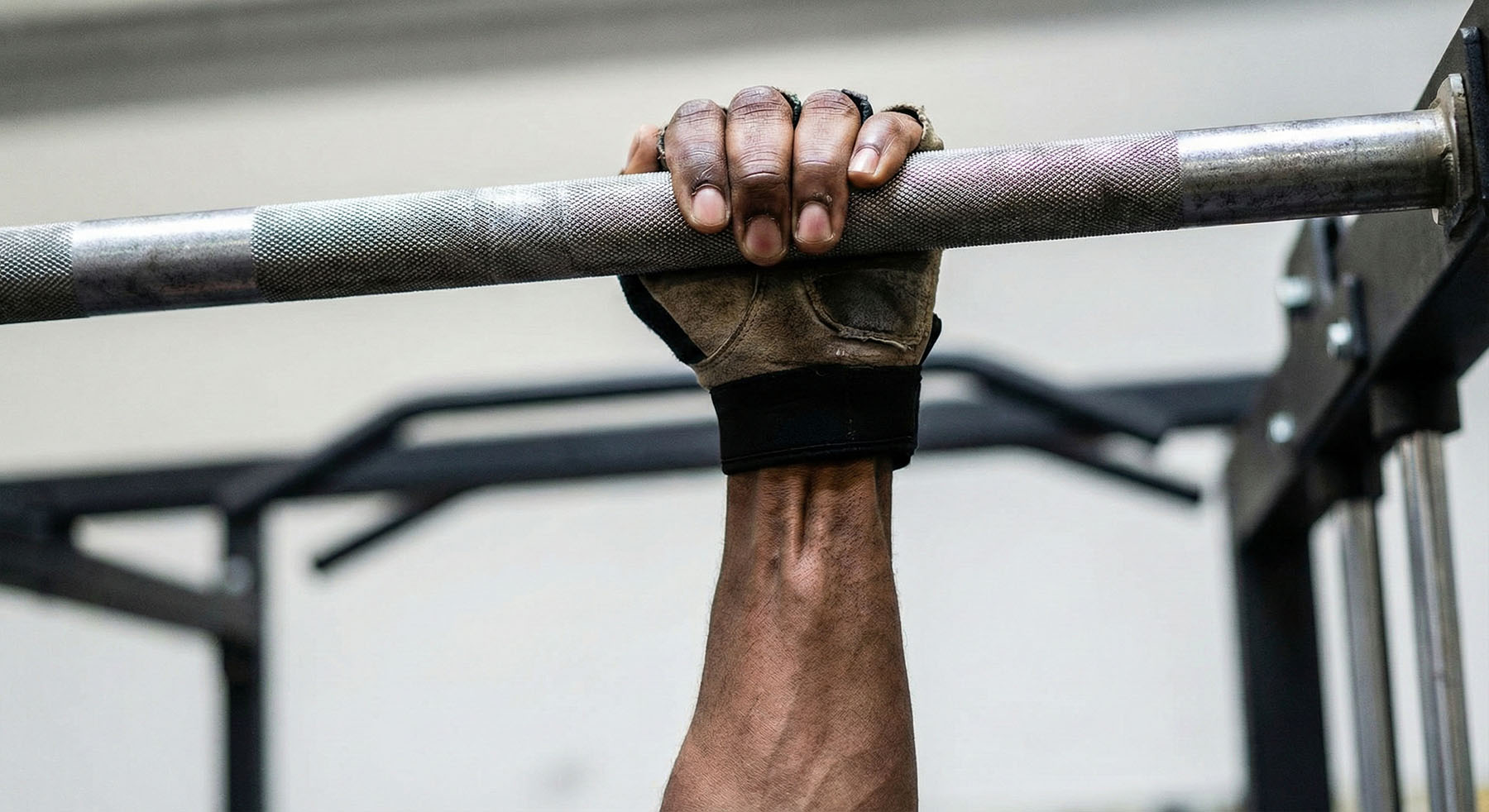
Grip strength is widely recognized in medical literature as one of the most reliable biomarkers for biological age and overall longevity. Far from being a simple measure of hand dominance, it serves as a “vital sign” for middle-aged and older adults, often predicting survival rates more accurately than systolic blood pressure. Large-scale epidemiological research, such as the PURE study published in The Lancet, has demonstrated a robust inverse relationship between grip strength and all-cause mortality: for every 5-kilogram decrease in grip strength, there is a significant increase in the risk of cardiovascular death and heart attack [1]. This metric provides a snapshot of the body’s physiological resilience, signaling declining health trajectories long before other clinical symptoms manifest.
Beyond mortality risk, grip strength is a profound indicator of overall neuromuscular integrity and systemic health. It serves as a proxy for total body muscle mass and is the primary clinical screening tool for sarcopenia—the age-related loss of muscle tissue and function. Because the force exerted by the hand requires complex coordination between the nervous system and skeletal muscle, weak grip strength often correlates with deeper systemic issues, including malnutrition, inflammation, and even cognitive decline [2]. It essentially reflects the “neural drive” of the body; a weak grip suggests that the connection between the brain and the musculature is deteriorating, which is a precursor to physical frailty and loss of independence [3].
Fortunately, grip strength is a modifiable metric that responds robustly to resistance training and lifestyle interventions. While the measurement is diagnostic, the remedy is functional. incorporating functional movements such as dead hangs, heavy “farmer’s carries” (walking with heavy weights in each hand), and basic weightlifting can preserve and even rebuild this critical capacity. These exercises do not merely isolate the forearm; they demand systemic tension and core stability, translating to improved functional capacity in daily life. By treating grip strength as a training priority rather than an afterthought, individuals can directly combat the onset of frailty and improve their “healthspan”—the number of years spent in good health [4].
References
- Leong, D. P., et al. (2015). Prognostic value of grip strength: findings from the Prospective Urban Rural Epidemiology (PURE) study. The Lancet, 386(9990), 266-273.
- Bohannon, R. W. (2019). Grip Strength: An Indispensable Biomarker For Older Adults. Clinical Interventions in Aging, 14, 1681–1691.
- Syddall, H., et al. (2003). Is grip strength a useful single marker of frailty? Age and Ageing, 32(6), 650-656.
- Peterson, M. D., et al. (2016). Grip Strength and All-Cause Mortality in Clinical and Normative Populations: A Meta-Analysis. American Journal of Preventive Medicine, 50(5), 661-663.
Comments are closed