

Reclaiming the Mind: How Intensive Lifestyle Medicine is Redefining Early Alzheimer’s Treatment
While an Alzheimer’s disease diagnosis is undeniably daunting for patients and their families, a landmark 2024 randomized controlled trial has offered a profoundly hopeful and[…]

The Hidden Hazard: How Microplastics in Arterial Plaque Skyrocket Cardiovascular Risk
The medical community was recently jolted by a landmark 2024 study published in The New England Journal of Medicine, which officially elevated microplastics and nanoplastics[…]

The Silent Disease: Why You Shouldn’t Wait for a Fracture to Care About Bone Health
Osteoporosis has long earned its reputation as a “silent disease” because bone deterioration progresses without any noticeable symptoms—until a sudden, debilitating fracture occurs. Many people[…]

The Silent Driver of Disease: Why Fasting Glucose Isn’t Enough
Insulin resistance is increasingly understood not merely as a precursor to diabetes, but as the foundational metabolic dysfunction driving the majority of modern chronic diseases,[…]
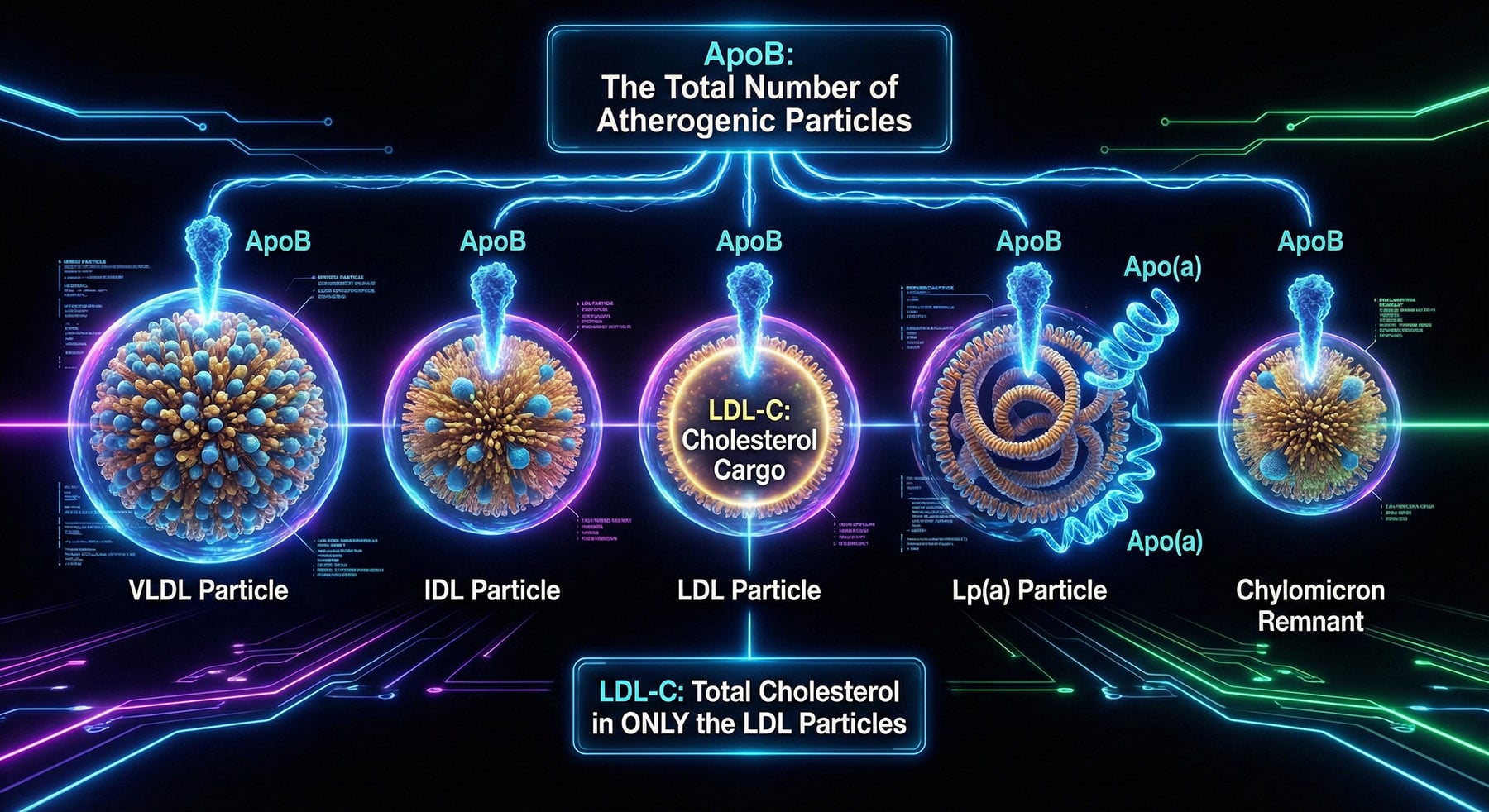
The Passenger vs. The Boat: Why ApoB Is the Superior Heart Health Metric
Imagine your bloodstream is a river and cholesterol is the cargo being transported. In this analogy, LDL cholesterol (LDL-C) represents the passengers, while Apolipoprotein B[…]
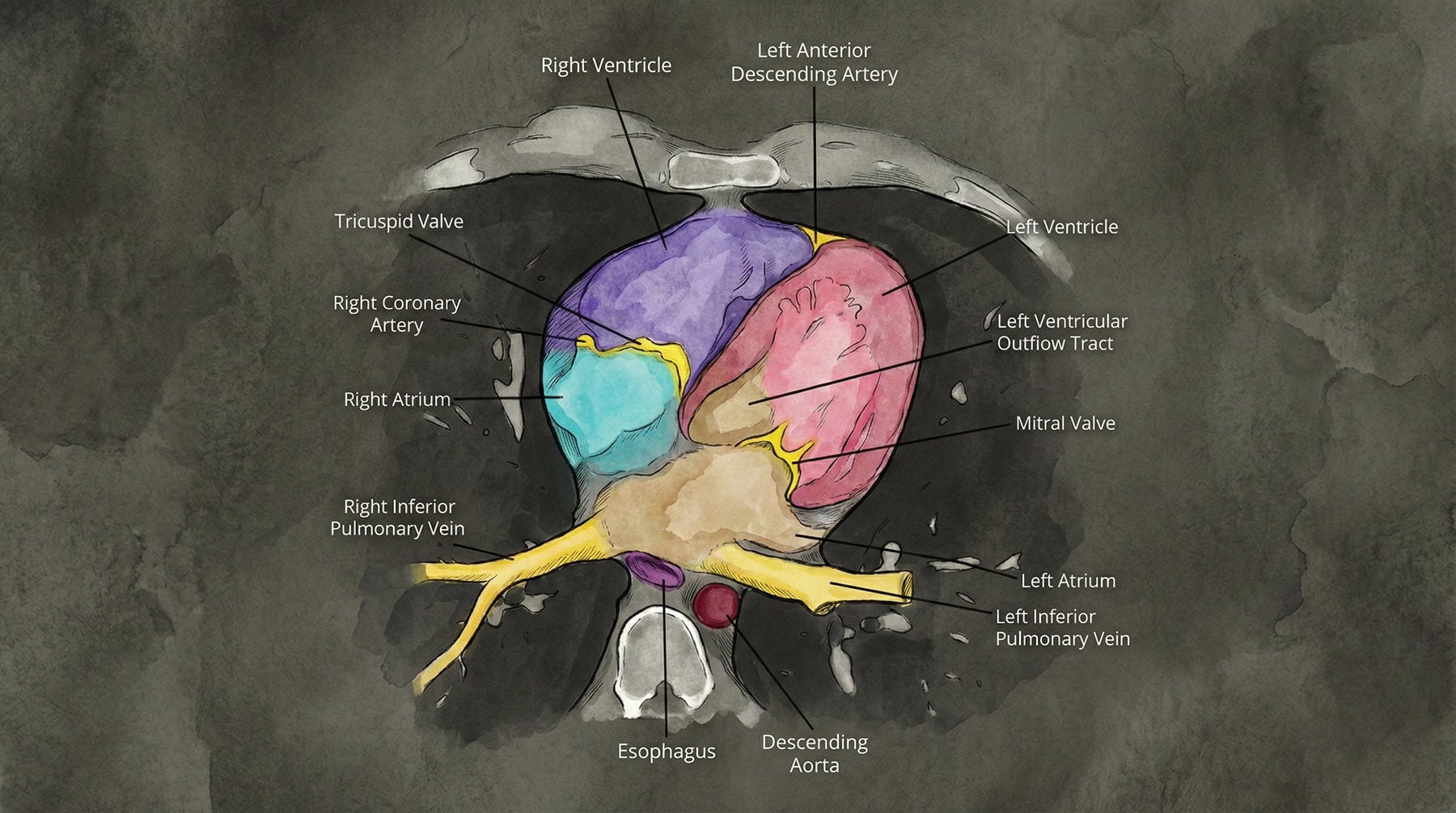
The Tie-Breaker Test: How a Coronary Artery Calcium Score Clarifies Your Heart Health
Traditional cardiovascular risk assessments often rely on statistical probabilities derived from factors like age, cholesterol levels, and blood pressure. While useful, these calculators provide a[…]

Powering the Engine: Coenzyme Q10, Statins, and Your Heart
Coenzyme Q10 (CoQ10) is a fat-soluble compound that acts as the essential “spark plug” for cellular energy production. It resides within the mitochondria—the microscopic power[…]

Beyond Cholesterol: The Hidden Risk of High Homocysteine
While cholesterol often dominates the conversation surrounding cardiovascular health, a lesser-known amino acid called homocysteine plays a critical role in the complex biology of heart[…]
![A close-up photograph of a medical clipboard containing a cardiac risk assessment form. The item "Lipoprotein(a) [Lp(a)]" is prominently circled in red with a checkmark in the box next to it. A stethoscope is visible in the background.](https://archangelmichaelhealth.com/wp-content/uploads/2026/02/cardiac-risk-assessment.jpg)
The “Triple Threat” Cholesterol You Might Be Missing
February is Heart Month, the perfect time to look beyond the basics of cardiovascular health. While many of us are familiar with LDL (“bad”) and[…]
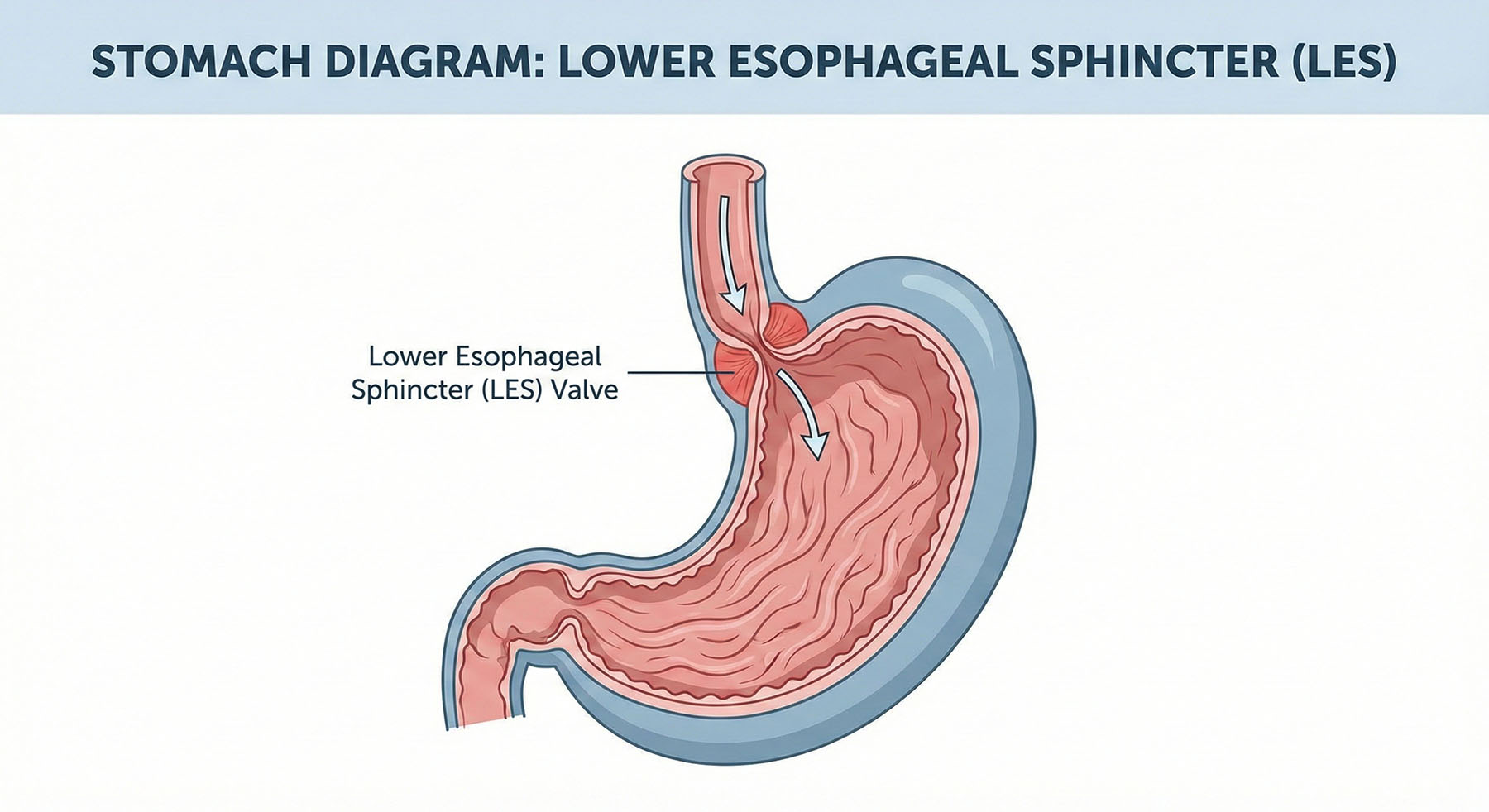
Rethinking Heartburn: Why Low Stomach Acid Could Be the Culprit
While acid reflux is commonly blamed on an excess of stomach acid, a growing body of research suggests that for many sufferers, the root cause[…]
Administrative Mailing Address:
9200 NW 39th Ave, Ste 130-3317
Gainesville, FL 32606