
The Biology of Connection: Why Love is Good for Your Heart
On Valentine’s Day, we often focus on the romantic symbolism of the heart, but science suggests that our emotional connections have a profound, tangible impact[…]
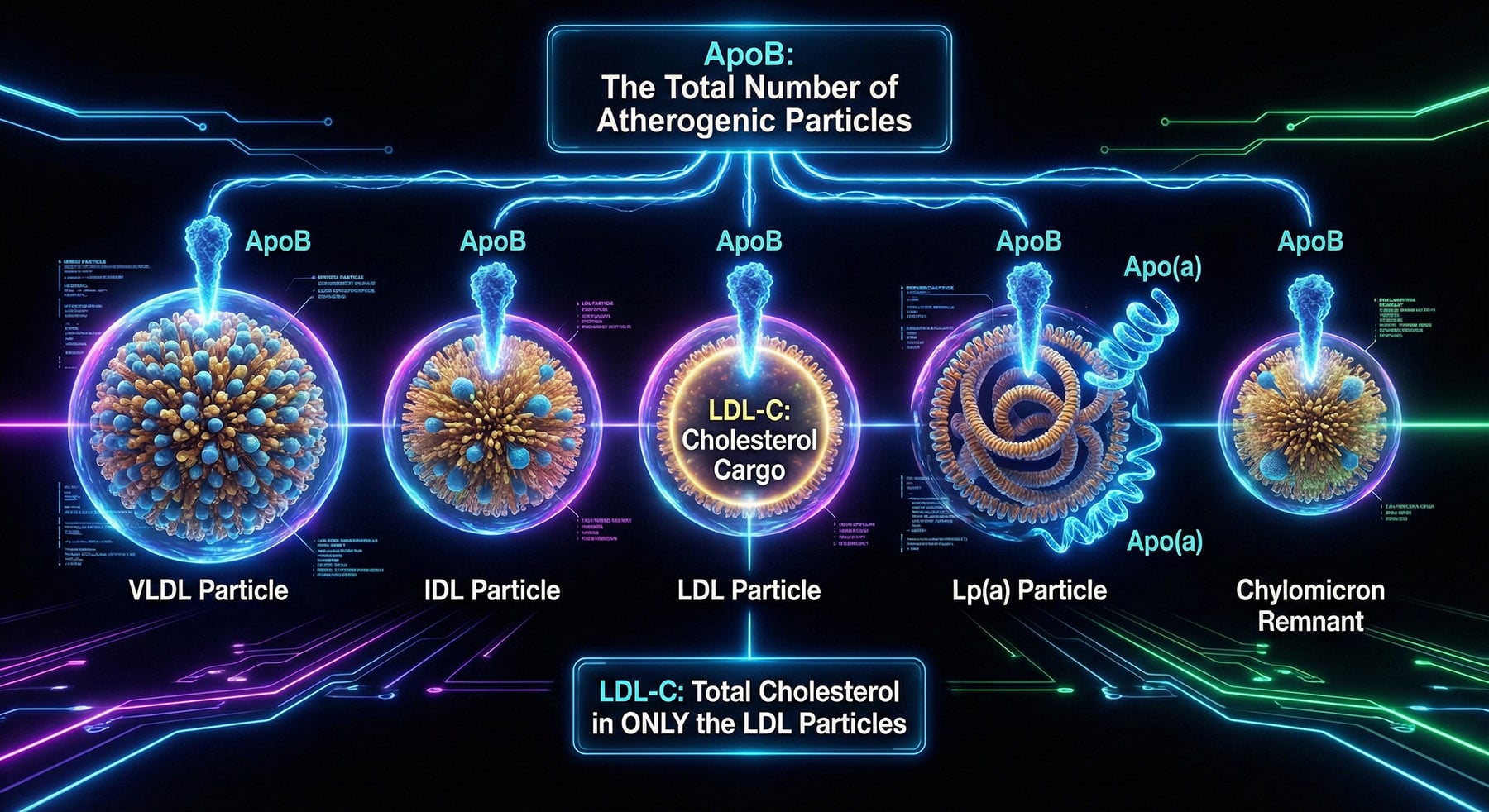
The Passenger vs. The Boat: Why ApoB Is the Superior Heart Health Metric
Imagine your bloodstream is a river and cholesterol is the cargo being transported. In this analogy, LDL cholesterol (LDL-C) represents the passengers, while Apolipoprotein B[…]

The Body’s Hidden Signal: How Heart Rate Variability Reveals Your True Readiness
Heart Rate Variability (HRV) is one of the most reliable, non-invasive biomarkers for assessing the state of your autonomic nervous system (ANS). While heart rate[…]
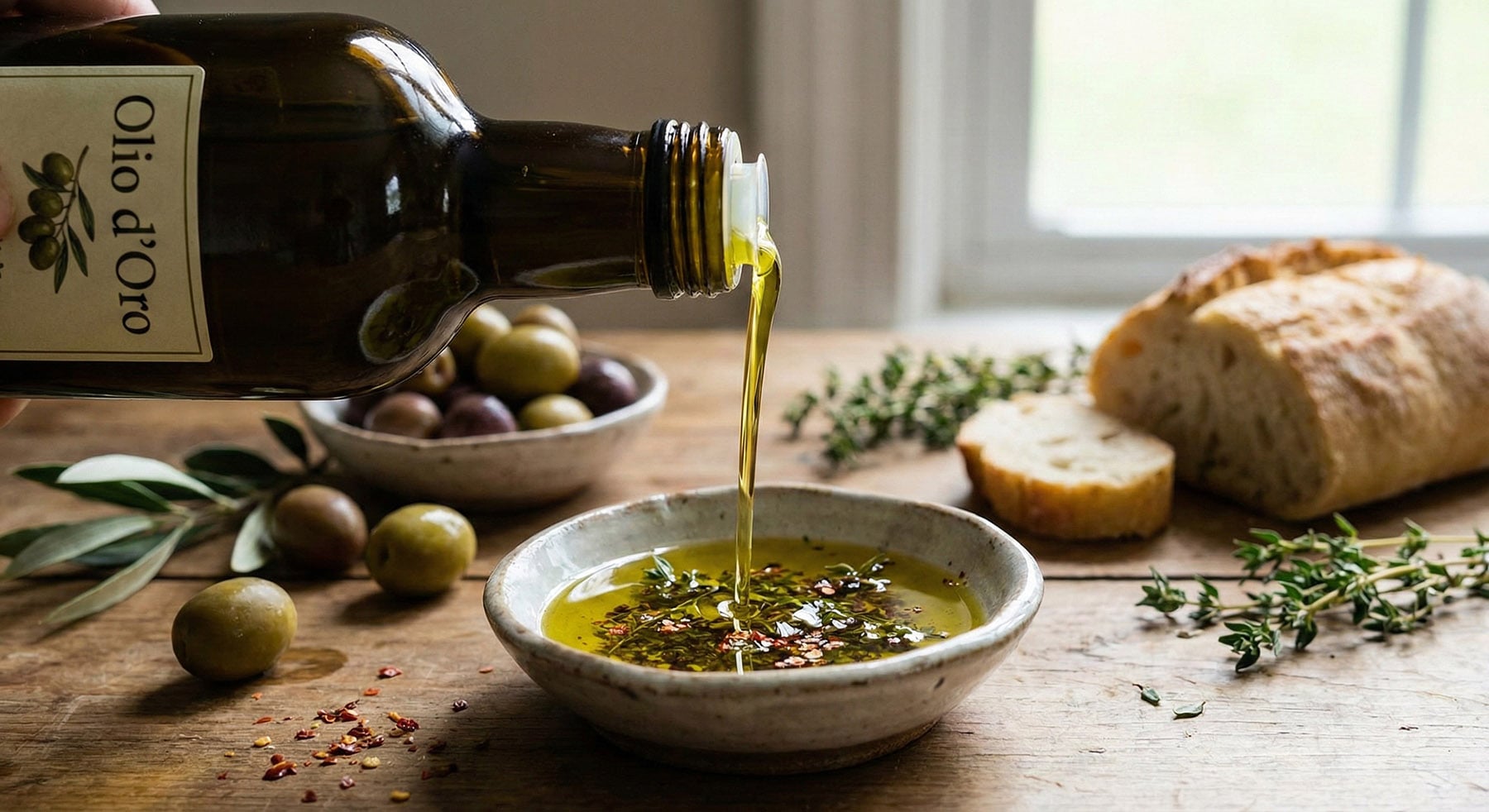
Nature’s Ibuprofen: The Anti-Inflammatory Power of Extra Virgin Olive Oil
The signature peppery “sting” you feel in the back of your throat when swallowing high-quality Extra Virgin Olive Oil (EVOO) is more than just a[…]

The Psoas Connection: How Tight Hips Keep Your Nervous System on High Alert
The modern lifestyle involves prolonged periods of sitting, whether at a desk, in a car, or on the couch. This sedentary behavior places the psoas[…]
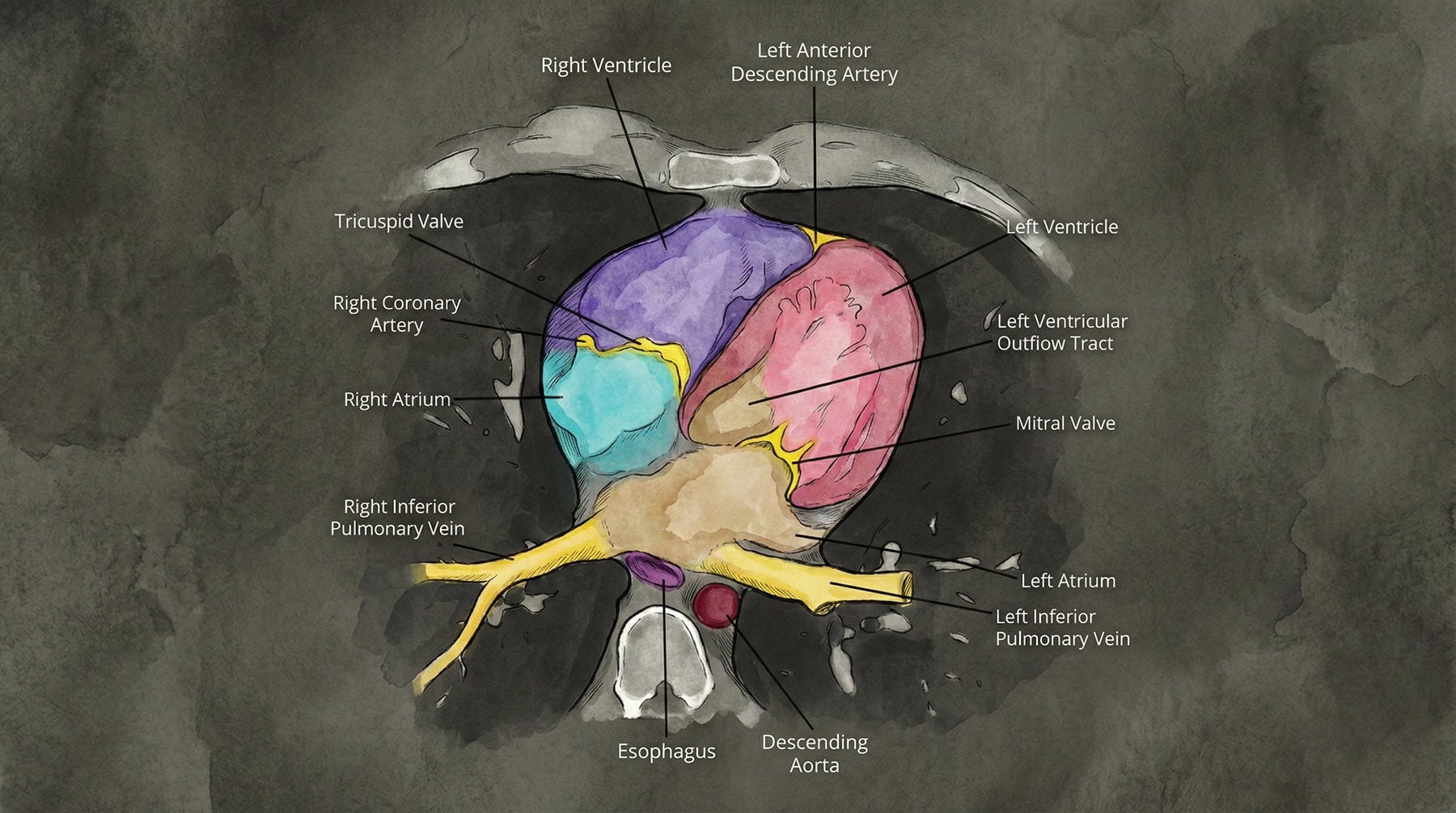
The Tie-Breaker Test: How a Coronary Artery Calcium Score Clarifies Your Heart Health
Traditional cardiovascular risk assessments often rely on statistical probabilities derived from factors like age, cholesterol levels, and blood pressure. While useful, these calculators provide a[…]
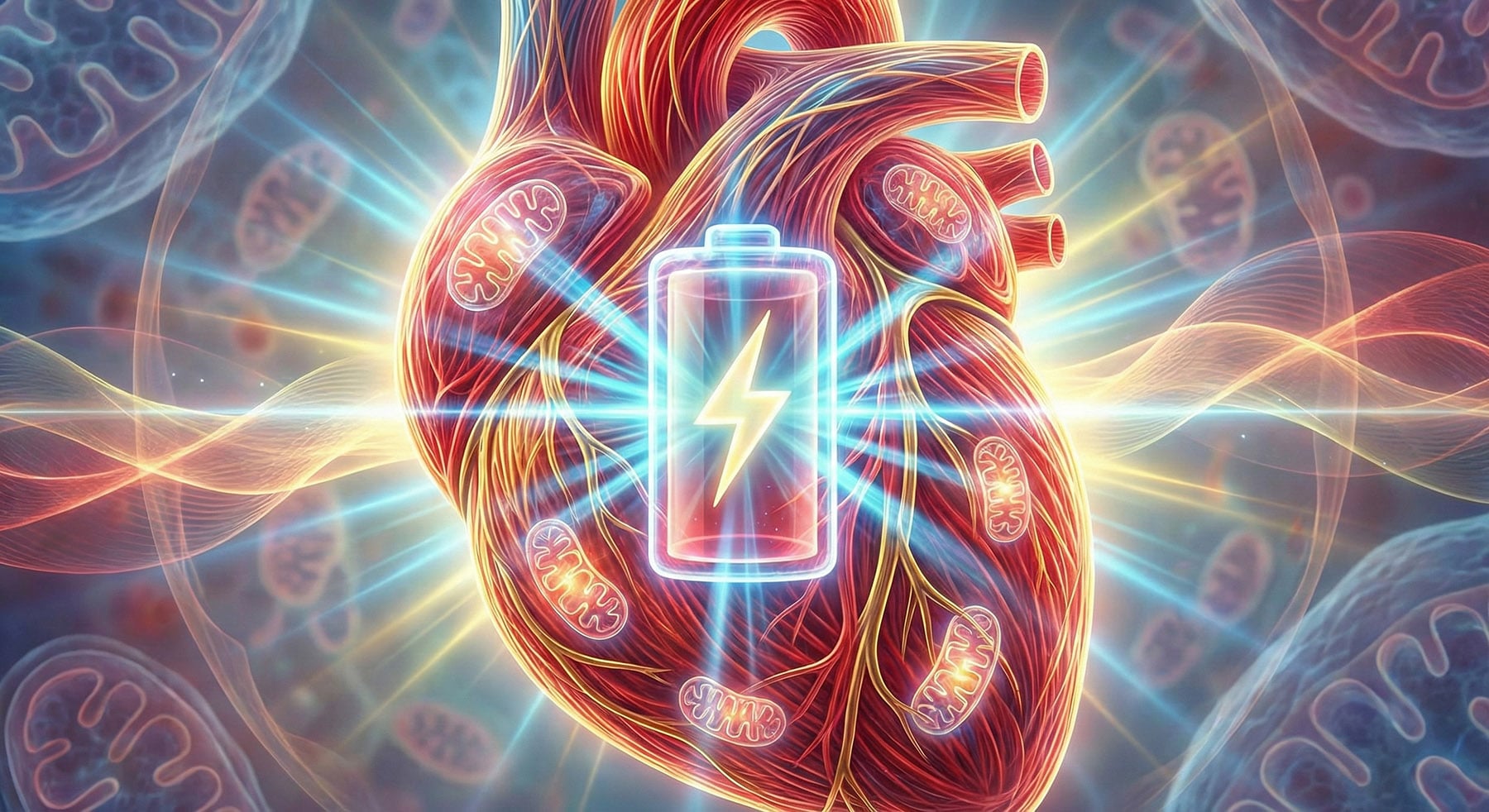
Powering the Engine: Coenzyme Q10, Statins, and Your Heart
Coenzyme Q10 (CoQ10) is a fat-soluble compound that acts as the essential “spark plug” for cellular energy production. It resides within the mitochondria—the microscopic power[…]

The Crimson Superfood: How Beets Boost Blood Flow and Performance
Beets are widely recognized as “nature’s vasodilator” due to their exceptionally high concentration of dietary nitrates. When you consume beetroot juice or whole beets, your[…]

Revive Your Heart: How HIIT Restores Youthful Elasticity
As we age, the heart muscle—specifically the left ventricle—tends to lose its natural flexibility. This gradual stiffening is a primary contributor to “diastolic dysfunction,” a[…]
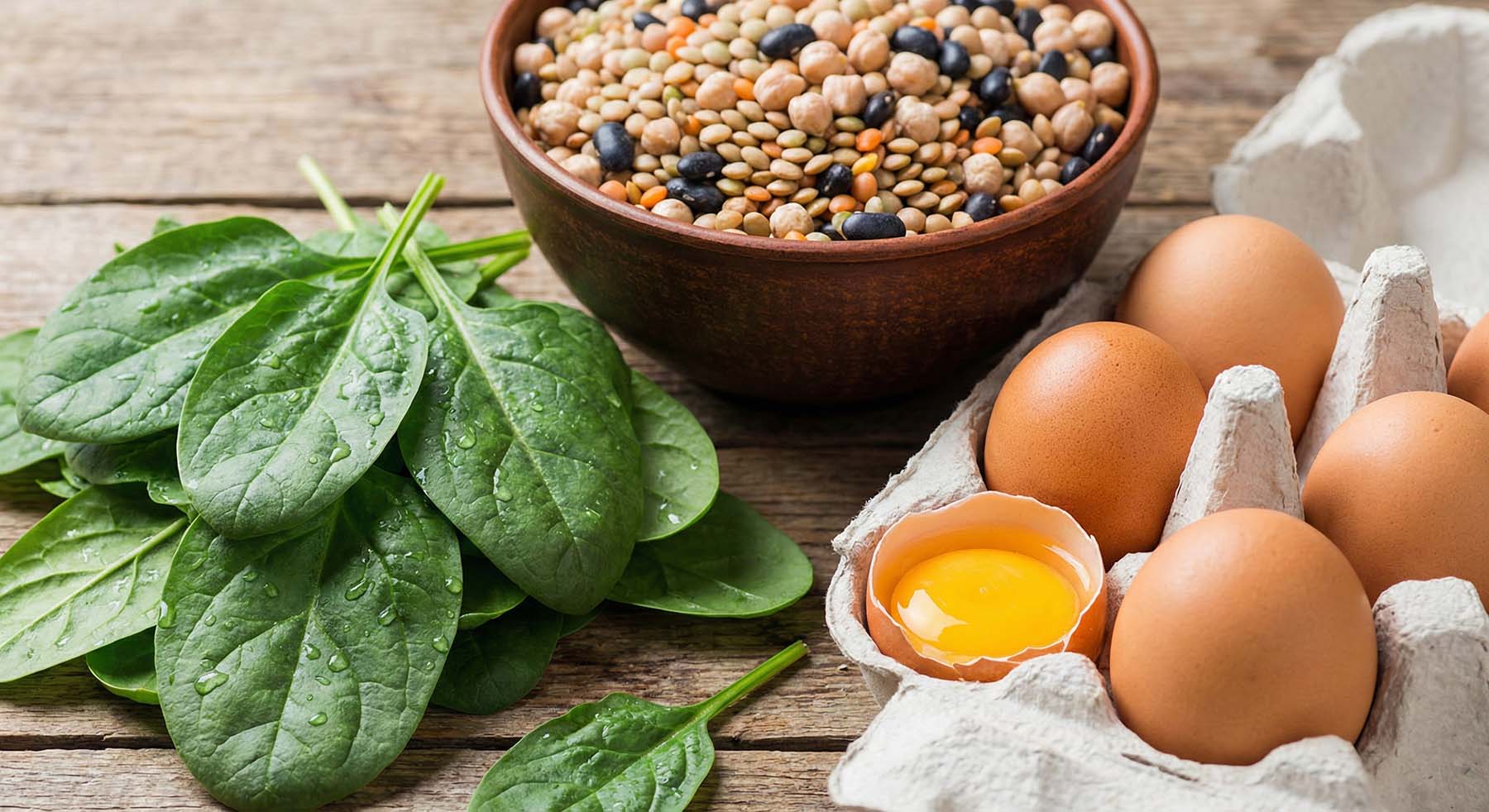
Beyond Cholesterol: The Hidden Risk of High Homocysteine
While cholesterol often dominates the conversation surrounding cardiovascular health, a lesser-known amino acid called homocysteine plays a critical role in the complex biology of heart[…]
Administrative Mailing Address:
9200 NW 39th Ave, Ste 130-3317
Gainesville, FL 32606