
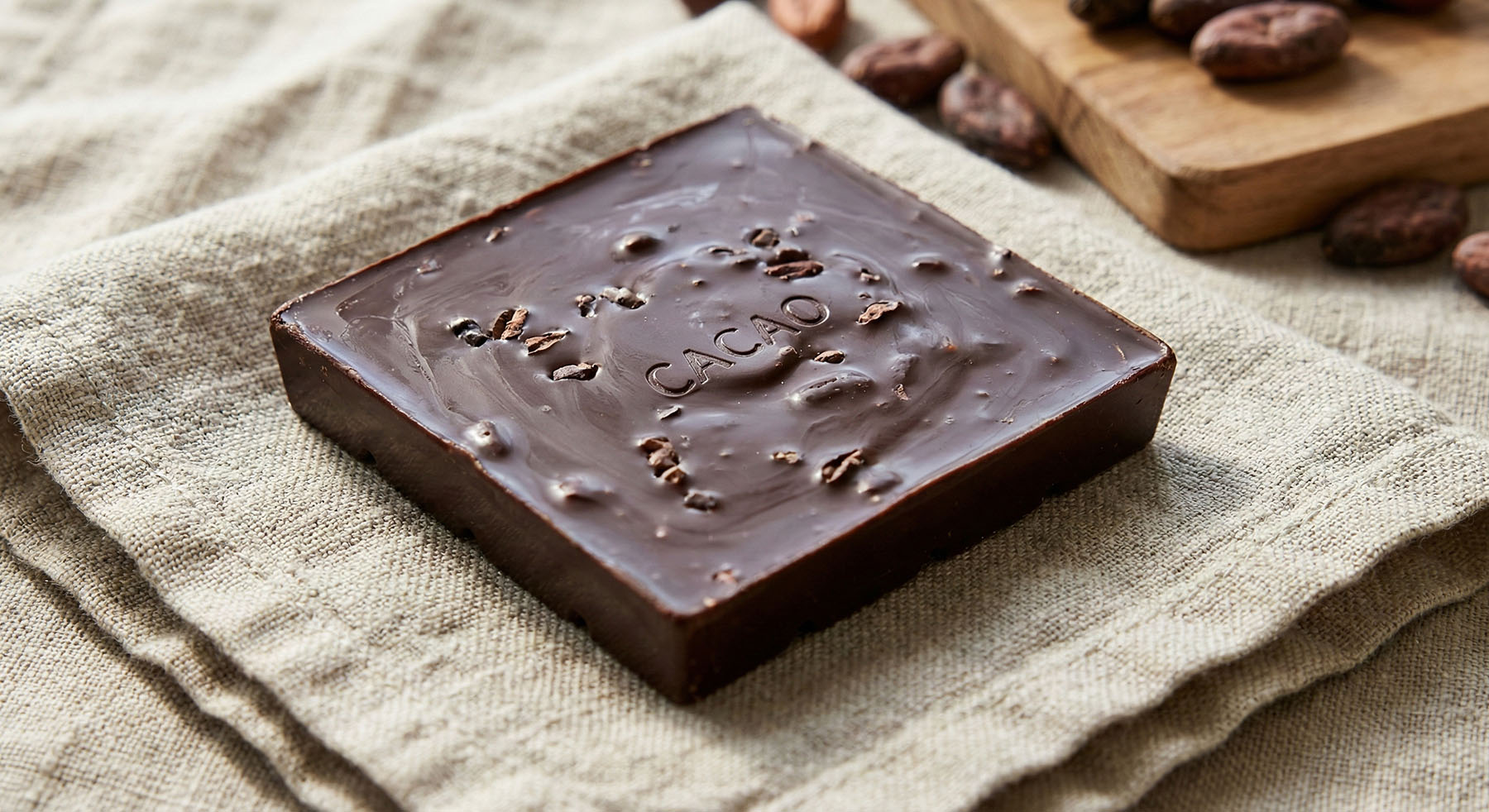
While often categorized strictly as an indulgence, chocolate possesses potent medicinal properties when selected carefully. The distinction between a health-promoting superfood and a sugary confection lies entirely in the processing and the percentage of cacao. To reap the benefits, one must bypass standard milk chocolate—which is diluted with milk solids, sugar, and unhealthy fats—and reach for high-quality dark chocolate. Nutrition experts generally agree that a threshold of at least 70% cacao is necessary to maximize the density of antioxidants while minimizing sugar intake, transforming a simple treat into a functional food.
The primary mechanism behind chocolate’s heart-healthy reputation is its high concentration of flavanols, specifically a compound called epicatechin. When you consume dark chocolate, these flavanols interact with the endothelium, the delicate inner lining of your blood vessels. This interaction stimulates the production of Nitric Oxide (NO), a critical gas molecule that signals the arterial muscles to relax. This process, known as vasodilation, reduces resistance to blood flow, effectively lowering blood pressure and reducing the strain on the cardiovascular system.
However, viewing chocolate as “medicine” requires strict adherence to dosage. Despite its benefits, dark chocolate remains calorie-dense, and overconsumption can lead to weight gain that negates its cardiovascular advantages. The ideal “prescription” is moderation: a single square (approximately 20 grams) of 85% dark chocolate provides a robust delivery of flavanols with a manageable amount of sugar. By treating this specific type of chocolate as a daily supplement rather than a dessert, you can enjoy a profound sensory experience that simultaneously supports long-term heart health.
References
- Ried, K., et al. (2017). “Effect of cocoa on blood pressure.” Cochrane Database of Systematic Reviews. This systematic review analyzed 35 trials and concluded that flavanol-rich chocolate and cocoa products cause a small but statistically significant reduction in blood pressure in healthy adults.
- Desideri, G., et al. (2012). “Benefits in Cognitive Function, Blood Pressure, and Insulin Resistance Through Cocoa Flavanol Consumption in Elderly Subjects with Mild Cognitive Impairment.” Hypertension. This study highlights the mechanism of action, linking cocoa consumption to improved endothelial function and insulin sensitivity.
- Buijsse, B., et al. (2010). “Chocolate consumption in relation to blood pressure and risk of cardiovascular disease in German adults.” European Heart Journal. This prospective cohort study followed over 19,000 individuals and found an inverse relationship between chocolate consumption and the risk of stroke and myocardial infarction, attributed to lower blood pressure.
Comments are closed