
It is a common misconception that all carbohydrates convert rapidly into glucose and cause undesirable spikes in blood sugar. While this is true for refined sugars and highly processed grains, certain complex carbohydrates behave differently due to their molecular structure. A prime example is “resistant starch,” a unique type of carbohydrate that, as the name implies, resists hydrolysis by digestive enzymes in the small intestine. Instead of being absorbed as sugar into the bloodstream, resistant starch passes intact into the large intestine, functioning metabolically more like dietary fiber than a typical carbohydrate [1]. Sources include green bananas, raw oats, legumes, and, notably, certain cooked and cooled starchy foods.
Once resistant starch reaches the colon, it becomes a vital fuel source for the beneficial bacteria residing in the gut microbiome. Through a process called fermentation, these gut bacteria break down the starch, producing bioactive compounds known as short-chain fatty acids (SCFAs), the most significant being butyrate. Butyrate serves as the primary energy source for the cells lining the colon, helping to maintain gut barrier integrity, reduce inflammation, and potentially improve insulin sensitivity [2]. Because it selectively nourishes beneficial bacteria, resistant starch acts as a powerful prebiotic, supporting overall digestive health and metabolism far beyond simple energy provision.
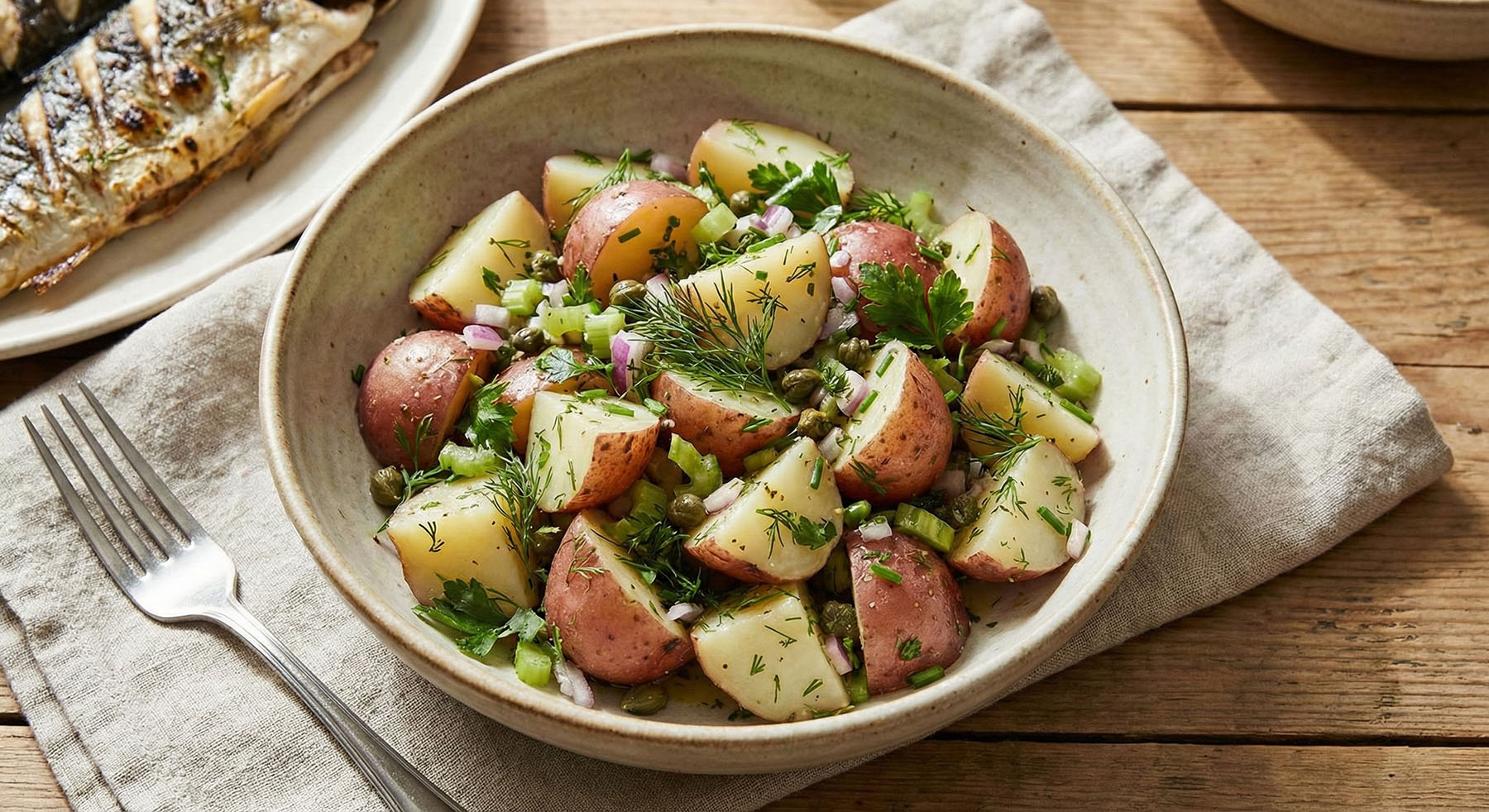
A practical and effective way to increase dietary resistant starch is through the “cook and cool” method applied to potatoes. When potatoes are cooked, their starch granules gelatinize, making them digestible. However, when allowed to cool significantly—such as refrigerating them overnight for a potato salad—the starch molecules rearrange into a crystalline structure through a process known as retrogradation. This retrograded starch becomes resistant to digestion. Research indicates that cooling boiled potatoes can more than triple their resistant starch content compared to eating them hot, transforming a standard starchy vegetable into a potent prebiotic food [3].
References
- Nugent, A. P. (2005). Health properties of resistant starch. Nutrition Bulletin, 30(1), 27-54.
- Louis, P., & Flint, H. J. (2017). Formation of propionate and butyrate by the human colonic microbiota. Environmental Microbiology, 19(1), 29–41.
- Raatz, S. K., Idso, L., Johnson, L. K., Jackson, M. I., & Combs, G. F. (2016). Resistant starch analysis of commonly consumed potatoes: Content varies by cooking method and service temperature but not by variety. Food Chemistry, 208, 297–300.
Comments are closed