
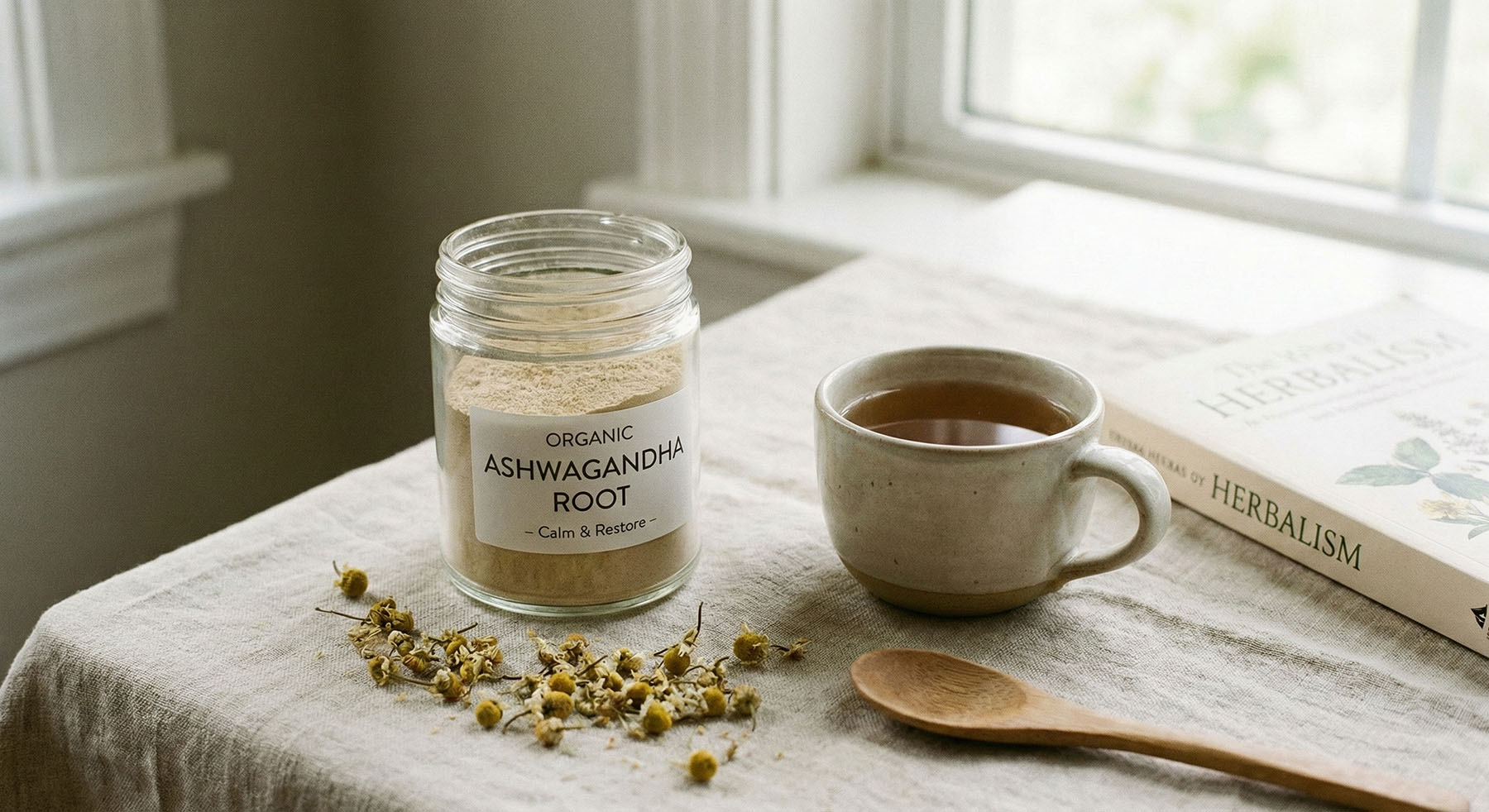
Ashwagandha is an “adaptogen,” meaning it helps the body resist stressors of all kinds, whether they are physical, chemical, or biological. For centuries, this potent root has been a cornerstone of Ayurvedic medicine, revered for its ability to promote balance and vitality. Unlike stimulants that force energy, adaptogens work by modulating the body’s response systems, specifically the hypothalamic-pituitary-adrenal (HPA) axis. By regulating this axis, ashwagandha helps stabilize the body’s internal environment, preventing the burnout that often follows prolonged periods of high mental or physical demand [1].
The physiological impact of this root is backed by compelling modern research. Clinical trials show it can lower serum cortisol levels by nearly 30% in chronically stressed adults, a significant finding given that cortisol is the body’s primary “stress hormone.” Elevated cortisol is often linked to anxiety, insomnia, and weight gain. In one notable randomized, double-blind study, participants taking a high-concentration full-spectrum ashwagandha root extract exhibited a substantial reduction in stress assessment scores and serum cortisol compared to the placebo group [2]. This suggests that the herb does not just mask symptoms but actively helps lower the physiological markers of stress.
However, it is vital to view supplements through a holistic lens. While not a magic pill, ashwagandha can be a useful tool to help reset a dysregulated nervous system when combined with lifestyle changes. It works best as a catalyst for broader wellness practices—such as prioritizing sleep hygiene, maintaining a nutrient-dense diet, and practicing mindfulness. When used as part of this comprehensive approach, it can provide the necessary “buffer” to help you establish new, healthier rhythms and recover your natural resilience [3].
References
- Panossian, A., & Wikman, G. (2010). Effects of adaptogens on the central nervous system and the molecular mechanisms associated with their stress—protective activity. Pharmaceuticals, 3(1), 188-224.
- Chandrasekhar, K., Kapoor, J., & Anishetty, S. (2012). A prospective, randomized double-blind, placebo-controlled study of safety and efficacy of a high-concentration full-spectrum extract of ashwagandha root in reducing stress and anxiety in adults. Indian Journal of Psychological Medicine, 34(3), 255.
- Salve, J., Pate, S., Debnath, K., & Langade, D. (2019). Adaptogenic and anxiolytic effects of ashwagandha root extract in healthy adults: a double-blind, randomized, placebo-controlled clinical study. Cureus, 11(12).
Comments are closed