
Key Takeaways:
- In a randomized crossover study of 41 adults with type 2 diabetes, walking for 10 minutes after each main meal lowered after-meal blood sugar about 12 percent more than one 30-minute walk a day, even though the total walking time was the same.
- The biggest difference came after the evening meal, where after-meal blood sugar was about 22 percent lower with the after-dinner walk, the meal that carried the most carbohydrate and was followed by the most sitting.
- Working muscle pulls sugar out of the blood through signals that are separate from insulin, and that pathway still works in muscle that has become resistant to insulin.
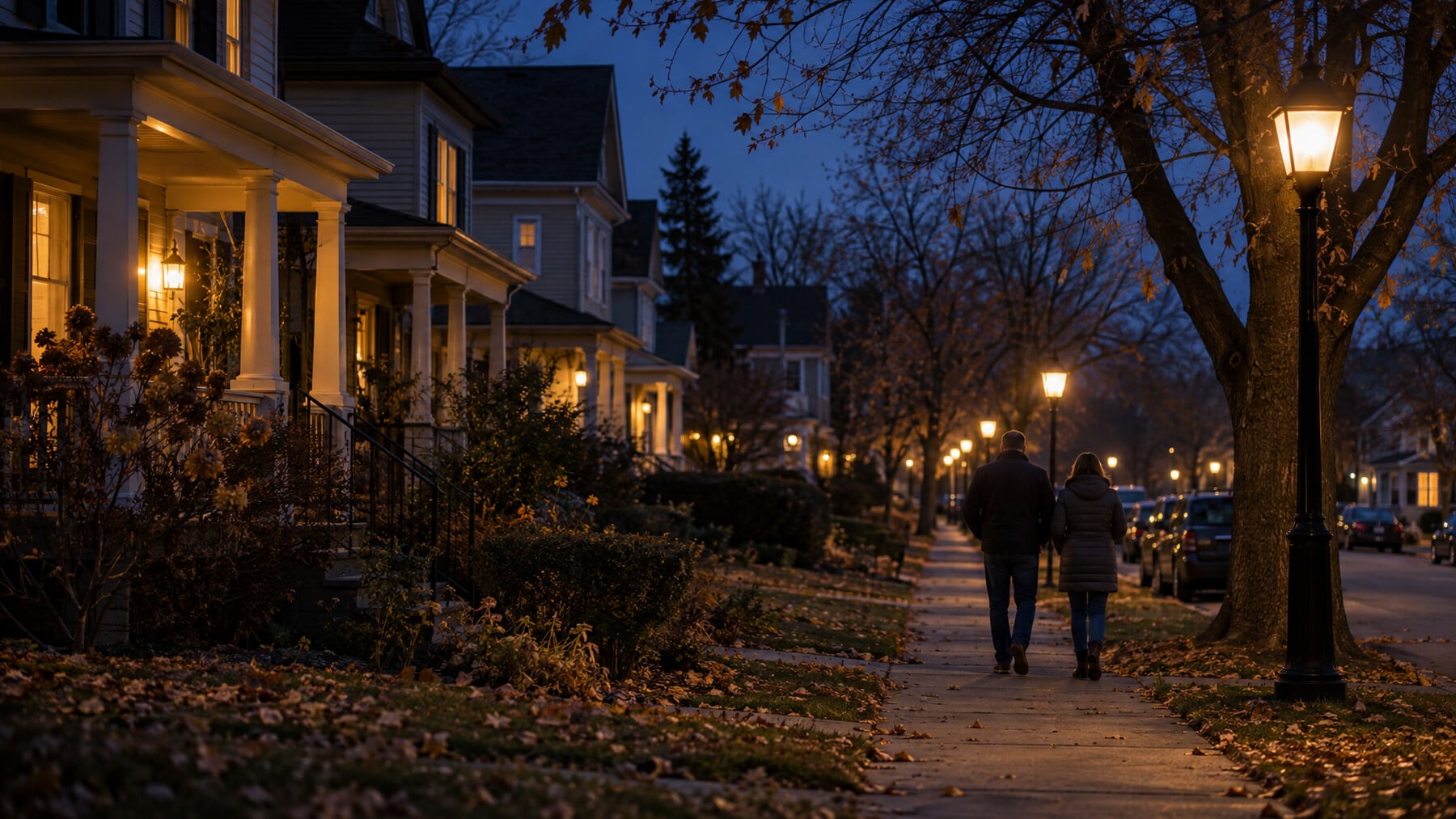
The clocks fell back an hour this morning, and starting tonight it will be dark before the dinner dishes are done. That matters more than it sounds, because the walk most people drop in November is the one that does the most for their blood sugar. Ask almost anyone when the best time to walk is and you’ll hear “first thing in the morning,” or you’ll get an argument about whether 10,000 steps is the magic number. Both miss something simple. When it comes to blood sugar, walking after eating beats walking at some other time of day, even when the total minutes are identical. November is also Diabetes Awareness Month, and if you have type 2 diabetes or prediabetes, this is one of the most useful and least expensive habits I know. The reason is timing. After a meal, sugar from your food floods into the bloodstream over the next couple of hours. If your muscles are working during that window, they soak up a share of it on the spot. If you’re sitting on the couch, that sugar has to wait for insulin to deal with it, and in someone whose insulin isn’t working well, it lingers.
The clearest test of this came from a study in New Zealand. Forty-one adults with type 2 diabetes, who had had it for an average of ten years, tried two plans for two weeks each, in random order: walk 30 minutes a day whenever they liked, or walk 10 minutes after each main meal. Both plans met the usual exercise guidelines, and continuous glucose monitors tracked every reading. After-meal blood sugar was about 12 percent lower overall with the after-meal walks, and about 22 percent lower after dinner, the biggest meal of the day and the one followed by the most sitting. A smaller study in ten inactive adults over 60 with borderline-high fasting sugar found the same pattern: three 15-minute walks after meals lowered the three hours of blood sugar after dinner more than one 45-minute walk taken in the morning or the afternoon. A review of seven trials found that light walking breaks lowered after-meal blood sugar and insulin compared with sitting, and worked better than simply standing up. Here’s the part I find surprising. Working muscle doesn’t need insulin to pull sugar in. Contraction switches on its own set of signals that move sugar transporters to the surface of the muscle cell, and that route still works in insulin-resistant muscle. The honest limits: these studies were small and short, and they measured after-meal blood sugar, not long-term outcomes like heart attacks.
Is walking after eating better than walking in the morning?
For blood sugar, the evidence points that way, and that’s why I don’t spend much time arguing about step counts. Everyone argues about how many steps. I care more about when you take them. If you already love your morning walk, keep it. It’s good for your heart, your mood and your sleep. But if you have to choose where to put ten minutes, put them after your biggest meal, which for most people is dinner. The walk doesn’t have to be hard. An easy, conversational pace is the kind of light walking those trials used. Start soon after you finish eating, ideally within the first half hour while blood sugar is still climbing, and if ten minutes after every meal feels like too much, begin with dinner alone. Now that the evenings are dark, plan for it rather than letting the habit quietly disappear: wear something reflective or carry a light, walk a lit route with a partner, or do laps of a hallway, a staircase or an indoor shopping area. Short, easy walks after eating rarely push blood sugar too low, but if you take insulin or a sulfonylurea, check your sugar the first few times, carry a quick sugar source, skip the walk after a meal you barely ate, and tell your clinician if you see lows. The best walk of the day isn’t the one at sunrise. It’s the ten minutes after dinner that most of us skip.
References:
- Reynolds, A. N., Mann, J. I., Williams, S., & Venn, B. J. (2016). Advice to walk after meals is more effective for lowering postprandial glycaemia in type 2 diabetes mellitus than advice that does not specify timing: A randomised crossover study. Diabetologia, 59(12), 2572-2578.
- DiPietro, L., Gribok, A., Stevens, M. S., Hamm, L. F., & Rumpler, W. (2013). Three 15-min bouts of moderate postmeal walking significantly improves 24-h glycemic control in older people at risk for impaired glucose tolerance. Diabetes Care, 36(10), 3262-3268.
- Buffey, A. J., Herring, M. P., Langley, C. K., Donnelly, A. E., & Carson, B. P. (2022). The acute effects of interrupting prolonged sitting time in adults with standing and light-intensity walking on biomarkers of cardiometabolic health in adults: A systematic review and meta-analysis. Sports Medicine, 52(8), 1765-1787.
- Sylow, L., Kleinert, M., Richter, E. A., & Jensen, T. E. (2017). Exercise-stimulated glucose uptake — regulation and implications for glycaemic control. Nature Reviews Endocrinology, 13(3), 133-148.
Comments are closed