
Plant sterols and stanols are structural cousins of cholesterol. Their carbon skeletons are nearly identical, differing only by a small side group, which means they behave biochemically like cholesterol molecules in many respects but cannot be incorporated into mammalian cell membranes the way cholesterol can. Inside the small intestine, dietary plant sterols compete with cholesterol for incorporation into the micelles that ferry lipid into the enterocyte. Because there are only so many seats on each micelle, more sterol arriving at the brush border means less cholesterol absorbed across it. The unabsorbed cholesterol is excreted in stool, and circulating low-density lipoprotein falls in proportion to the displacement.
The dose-response relationship has been characterized across decades of randomized controlled trials. Ras and colleagues pooled randomized data covering plant sterols and stanols across a broad dose range and demonstrated a roughly six to twelve percent reduction in low-density lipoprotein cholesterol at intakes of approximately two grams per day, with a plateau effect beyond roughly three grams per day. Musa-Veloso and colleagues compared plant stanols and plant sterols head-to-head in a continuous dose-response meta-analysis of more than a hundred randomized placebo-controlled trials and showed clear dose-dependent LDL reductions for both classes, with plant stanols achieving larger maximum reductions than plant sterols at the upper end of the dose range. Ostlund’s earlier review in Annual Reviews provided the mechanistic foundation, showing the competitive micellar displacement and the lower fractional cholesterol absorption that accompanies daily phytosterol intake.
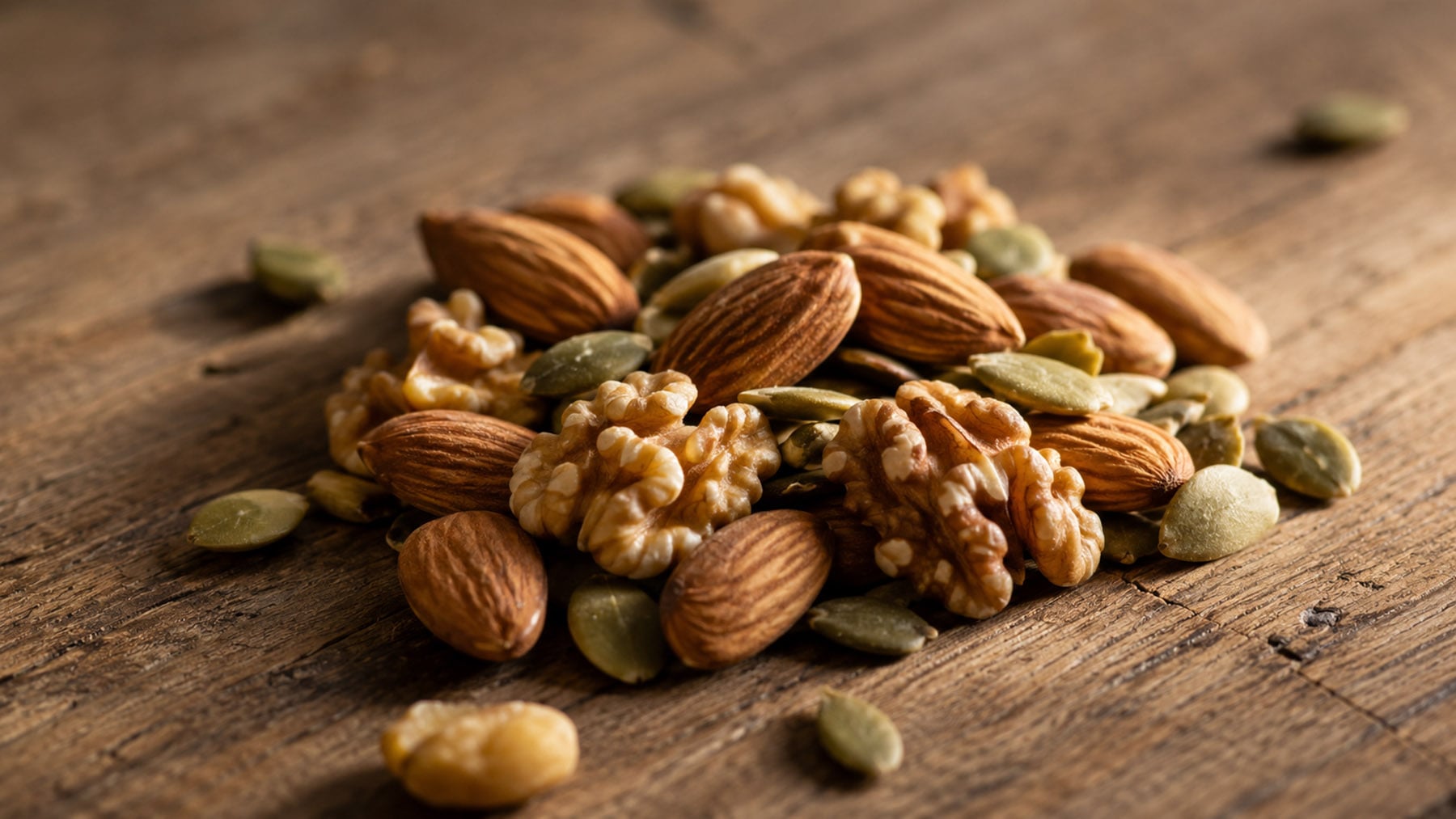
For patients trying to lower LDL without escalating medication, two grams per day is the practical target. Achieving it through whole food alone is difficult — naturally occurring phytosterol intake in a typical Western diet is roughly two to four hundred milligrams. Fortified plant-sterol margarines, yogurts, and supplements can bridge the gap, as can a deliberate emphasis on nuts, seeds, legumes, vegetable oils, and whole grains. The effect is additive to statin therapy in patients who need both, contributing roughly an additional six percent LDL reduction on top of an existing statin dose without further dose escalation. The intervention does not improve outcomes by replacing pharmacotherapy in high-risk patients; it works by giving a measurable additional pull on the absorption side of the cholesterol equation, and at low cost and no significant side-effect burden.
References:
- Ras, R. T., Geleijnse, J. M., & Trautwein, E. A. (2014). LDL-cholesterol-lowering effect of plant sterols and stanols across different dose ranges: A meta-analysis of randomised controlled studies. British Journal of Nutrition, 112(2), 214-219.
- Musa-Veloso, K., Poon, T. H., Elliot, J. A., & Chung, C. (2011). A comparison of the LDL-cholesterol lowering efficacy of plant stanols and plant sterols over a continuous dose range: Results of a meta-analysis of randomized, placebo-controlled trials. Prostaglandins, Leukotrienes and Essential Fatty Acids, 85(1), 9-28.
- Ostlund, R. E. Jr. (2002). Phytosterols in human nutrition. Annual Review of Nutrition, 22, 533-549.
Comments are closed