
Growth hormone secretion is not a steady drip. It is pulsatile, with the largest physiologic release of the day clustered in the first half of nocturnal sleep and tightly synchronized to slow-wave sleep, the deep stage in which cortical electroencephalogram activity slows into the delta range. The temporal coupling was demonstrated in elegant early studies by Sassin and colleagues, who showed that growth hormone surges within minutes of the first deep-sleep episode and that experimentally fragmenting slow-wave sleep abolishes the surge entirely. Van Cauter and Plat later refined the picture, demonstrating that growth hormone release across the night accounts for the majority of the twenty-four-hour pool in healthy adults and that any condition that blunts slow-wave sleep — aging, depression, sleep apnea, shift work, alcohol — proportionally blunts the hormone.
The downstream effects of nocturnal growth hormone are exactly the ones patients associate with feeling restored. It drives hepatic insulin-like growth factor 1 production, stimulates muscle protein synthesis, mobilizes free fatty acids for energy substrate, and supports the repair of microvascular endothelium and connective-tissue collagen. When slow-wave sleep is suppressed, the entire anabolic program runs at reduced amplitude night after night, and the cumulative deficit shows up as reduced lean mass preservation, slower wound healing, impaired glucose tolerance, and the subjective sense of never quite recovering from the prior day. Late-evening alcohol is one of the most reproducible suppressors. Landolt and colleagues measured the sleep electroencephalogram in healthy middle-aged men after late-afternoon ethanol intake and showed that even modest amounts altered slow-wave sleep architecture and reduced rapid eye movement sleep later in the night.
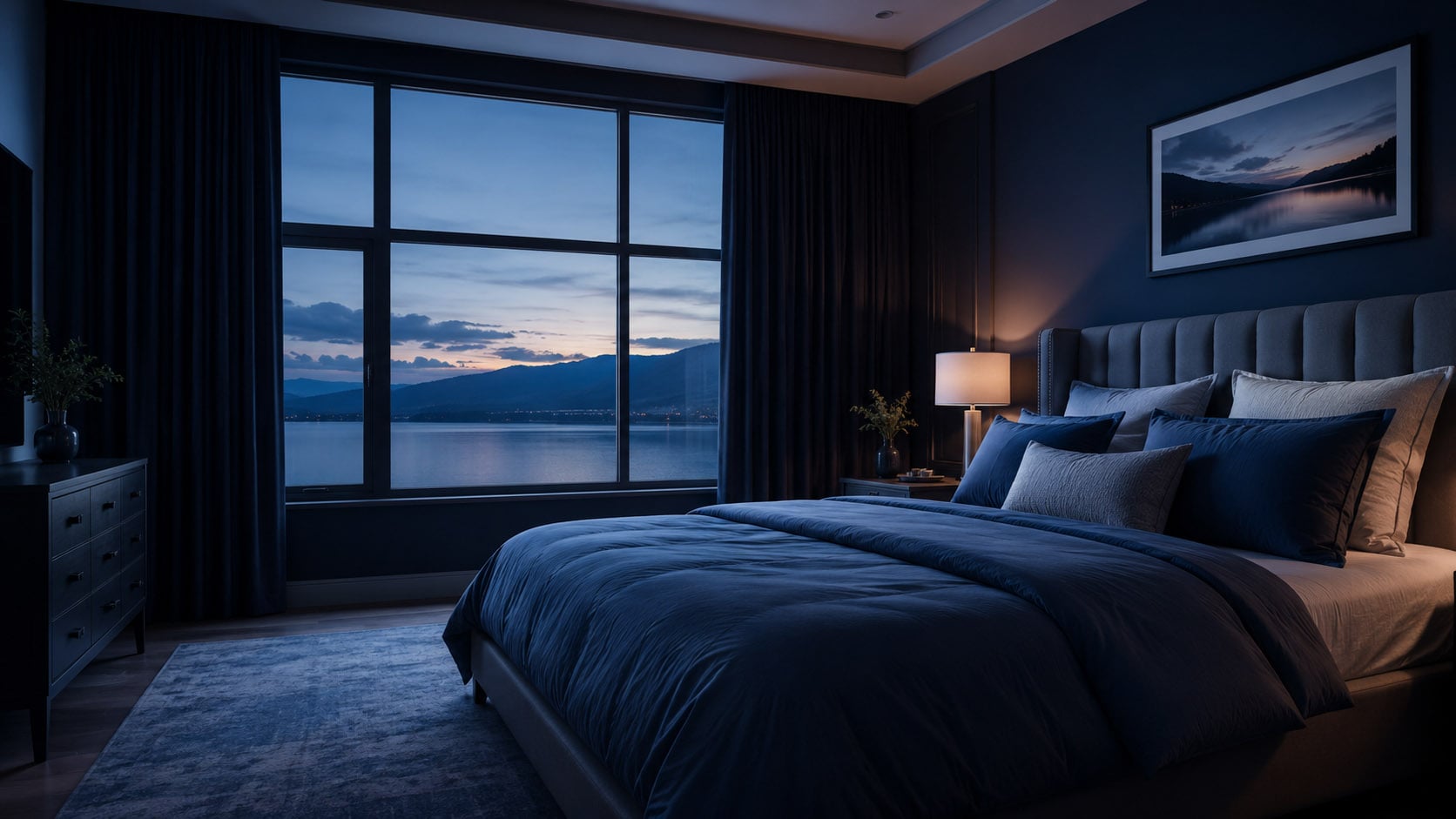
The clinical translation is concrete. Three habits protect the growth-hormone surge: a consistent sleep window that allows the first deep-sleep cycles to occur uninterrupted, a cool dark bedroom that supports the temperature drop required for slow-wave entry, and an alcohol-free evening when restorative sleep is the priority. Patients on continuous positive airway pressure for obstructive sleep apnea recover slow-wave sleep over weeks and often report dramatic improvements in energy and exercise recovery that mirror the restored hormonal pulse. The simplest intervention in this domain — getting to bed at the same time, sober, in a cool dark room — is not a wellness slogan; it is the precondition for the body’s largest daily anabolic event.
References:
- Sassin, J. F., Parker, D. C., Mace, J. W., Gotlin, R. W., Johnson, L. C., & Rossman, L. G. (1969). Human growth hormone release: Relation to slow-wave sleep and sleep-walking cycles. Science, 165(3892), 513-515.
- Van Cauter, E., & Plat, L. (1996). Physiology of growth hormone secretion during sleep. The Journal of Pediatrics, 128(5 Pt 2), S32-S37.
- Landolt, H. P., Roth, C., Dijk, D. J., & Borbély, A. A. (1996). Late-afternoon ethanol intake affects nocturnal sleep and the sleep EEG in middle-aged men. Journal of Clinical Psychopharmacology, 16(6), 428-436.
Comments are closed