As temperatures climb across the Sunbelt and summer heat settles in, the risk of dehydration becomes much more than just a matter of thirst—it becomes a significant vascular threat. When your body loses water through sweat to regulate its core temperature, your blood plasma volume drops. Because plasma is the liquid component of your blood, losing it increases your overall blood viscosity. In simpler terms, your blood becomes thicker, stickier, and more sluggish, fundamentally changing how it moves through your circulatory system.
This thickened blood is highly problematic for your cardiovascular system. Viscous blood does not flow smoothly; instead, it creates immense and abnormal shear stress against your arterial walls. Over time, this mechanical friction can damage the endothelium—the delicate inner lining of your blood vessels—promoting inflammation and impairing its ability to regulate vascular tone. Furthermore, pushing this thick fluid through miles of arteries forces your heart muscle to work overtime. Your heart rate elevates and the cardiac workload spikes just to maintain basic circulation and blood pressure.
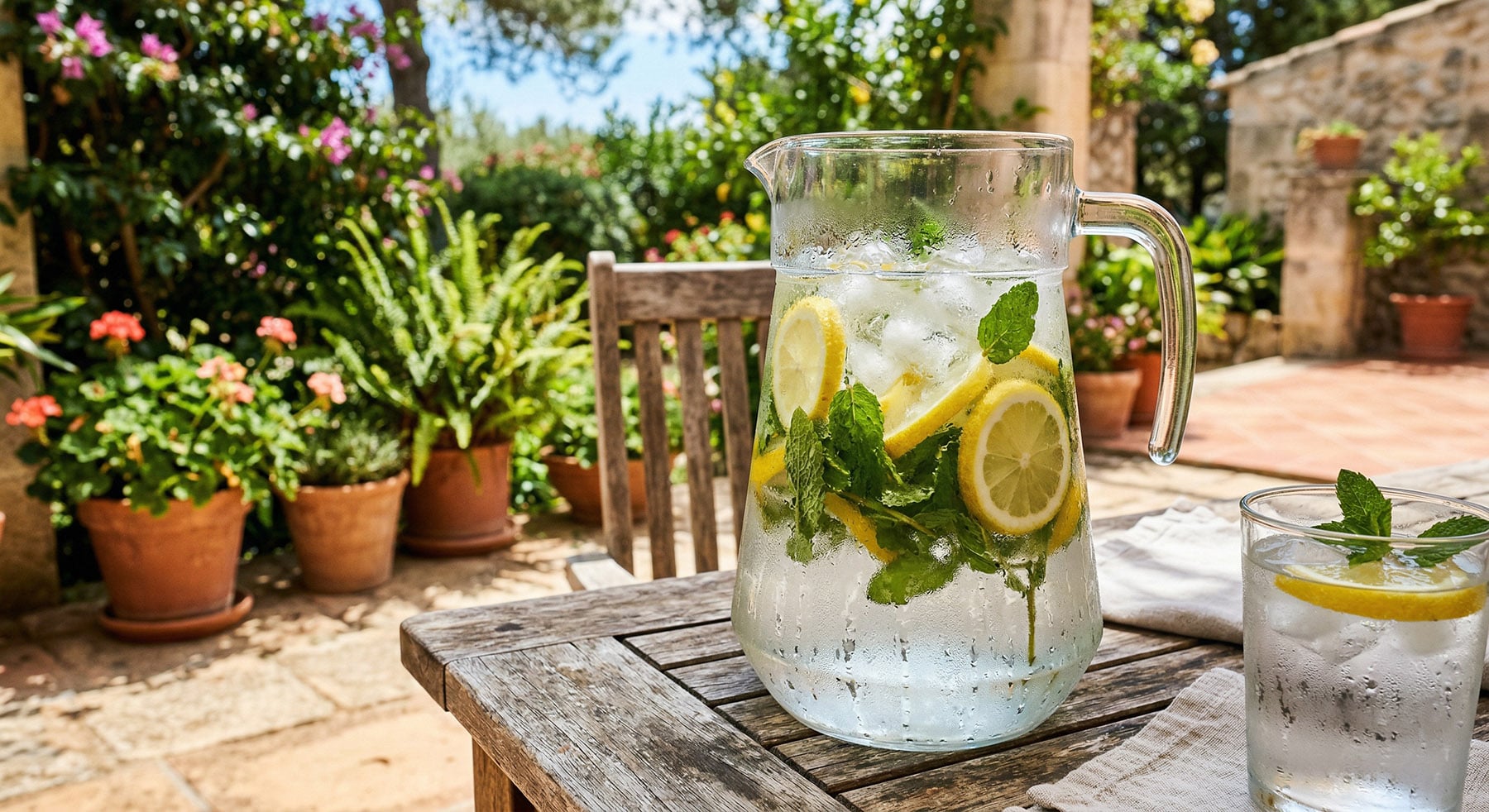
Fortunately, the defense against this vascular strain is simple and highly effective: proactive hydration. Staying ahead of your thirst by consistently drinking plain water allows your body to maintain its optimal plasma volume, keeping your blood at a healthy, fluid consistency. By the time your brain signals that you are thirsty, you are often already mildly dehydrated. Drinking water steadily throughout the day protects your endothelium, reduces the mechanical burden on your heart, and ensures that oxygen and nutrients are efficiently delivered throughout your body, no matter how high the thermometer climbs.
References:
- Popkin, B. M., D’Anci, K. E., & Rosenberg, I. H. (2010). Water, hydration, and health. Nutrition Reviews, 68(8), 439–458.
- Crandall, C. G., & González-Alonso, J. (2010). Cardiovascular function in the heat-stressed human. Acta Physiologica, 199(4), 407–423.
- Ernst, E. (1990). Blood rheology and cardiovascular disease. BMJ, 301(6742), 64–65.
Comments are closed