
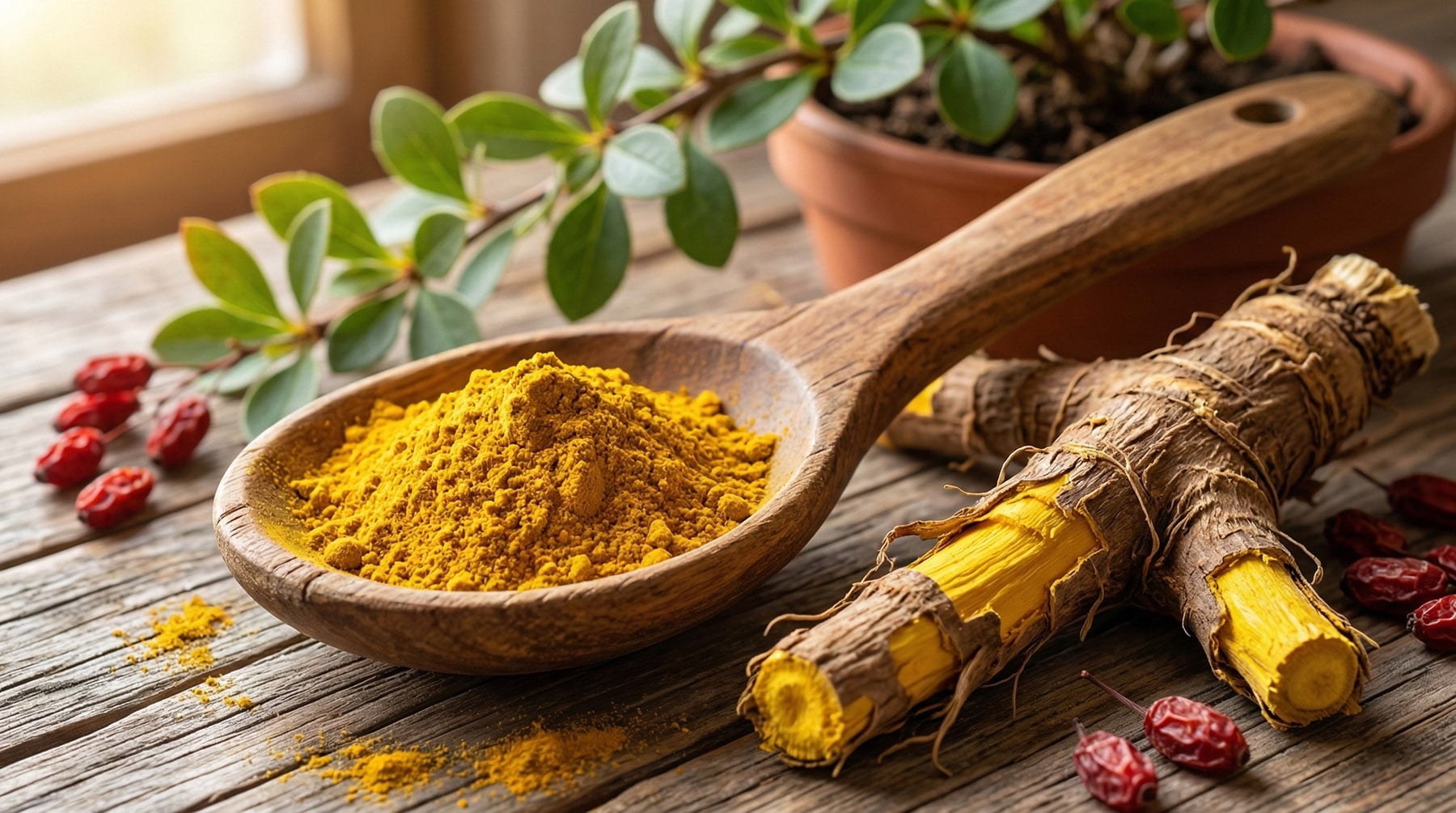
While statins are the most commonly prescribed medication for managing high cholesterol, they are by no means the only effective option. For individuals seeking alternative or complementary approaches, berberine—a botanical compound found in plants like goldenseal and barberry—presents a compelling, evidence-based solution. Unlike statins, which work primarily by inhibiting the liver enzyme (HMG-CoA reductase) responsible for producing cholesterol, berberine operates through a completely distinct physiological pathway. This makes it a fascinating subject in cardiovascular research and a viable option for those who may not tolerate statins well.
The magic of berberine lies in how it interacts with the liver at a cellular level. Specifically, it physically stabilizes the messenger RNA (mRNA) responsible for creating Low-Density Lipoprotein (LDL) receptors. By extending the lifespan of this mRNA, berberine effectively forces your liver to build more of these receptors. You can think of these newly minted receptors as microscopic cellular vacuums. Once deployed on the surface of liver cells, they actively bind to circulating LDL cholesterol and pull it out of the bloodstream to be cleared by the body. Because this mechanism is entirely independent of the pathway targeted by statins, it represents a unique and highly effective method for clearing arterial plaque precursors.
Beyond its cholesterol-lowering capabilities, human clinical trials have consistently confirmed that berberine offers a broad spectrum of metabolic benefits. Not only does it significantly reduce both LDL cholesterol and circulating triglycerides, but it also acts as a potent metabolic regulator. By activating an enzyme called AMPK—often referred to as the body’s metabolic master switch—berberine improves cellular insulin sensitivity. This means it helps the body process blood sugar more efficiently, addressing the root causes of metabolic syndrome while simultaneously optimizing lipid profiles.
References:
- Kong, W., Wei, J., Abidi, P., Lin, M., Inaba, S., Li, C., Wang, Y., Wang, Z., Si, S., Pan, H., Wang, S., Wu, J., Wang, Y., Li, Z., Liu, J., & Jiang, J. D. (2004). Berberine is a novel cholesterol-lowering drug working through a unique mechanism distinct from statins. Nature medicine, 10(12), 1344–1351.
- Dong, H., Zhao, Y., Zhao, L., & Lu, F. (2013). The effects of berberine on blood lipids: a systemic review and meta-analysis of randomized controlled trials. Planta medica, 79(6), 437–446.
- Yin, J., Xing, H., & Ye, J. (2008). Efficacy of berberine in patients with type 2 diabetes mellitus. Metabolism: clinical and experimental, 57(5), 712–717.
Comments are closed