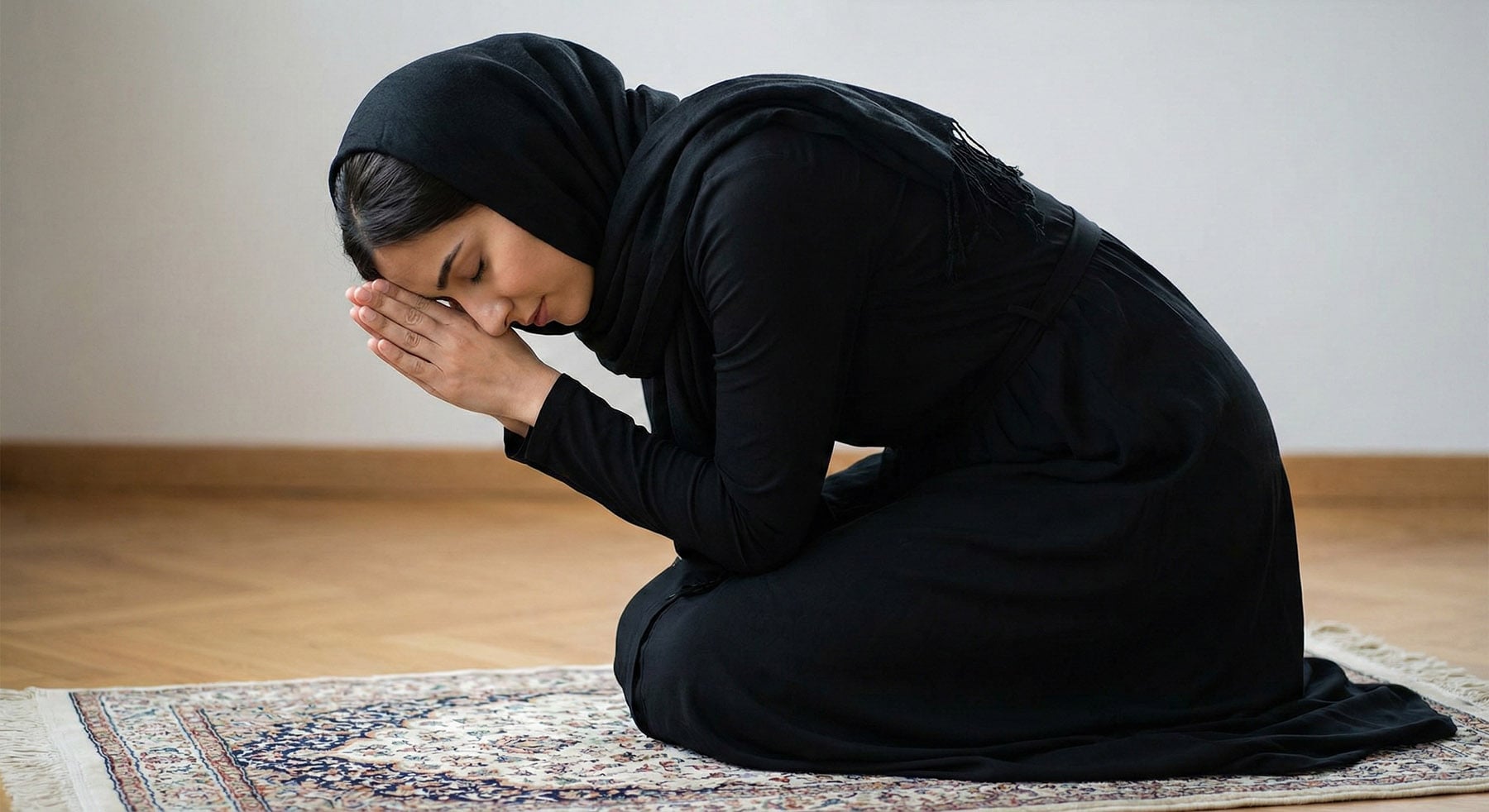
Rhythmic prostrations and deep bowing do much more than simply engage the physical body in a posture of reverence; they are a profound neurological intervention. For centuries, ancient Christian traditions have intuitively utilized these movements—often paired with short, repetitive, breath-linked prayers—to foster inner peace. Modern neuroscience now offers a window into exactly how this works. When you intentionally lower your body to the floor in a rhythmic sequence and synchronize it with your breath, you actively stimulate the vagus nerve. This critical nerve functions as the communication highway between your body and brain, shifting you out of the stressful “fight or flight” state and into “rest and digest.”
At the center of this physiological reset is a crucial molecule called GABA (gamma-aminobutyric acid). GABA is your brain’s primary inhibitory neurotransmitter—essentially, it acts as the braking system for an overactive, anxious mind. While neuroimaging studies have not yet placed individuals in MRI machines specifically while performing prayerful prostrations, clinical research overwhelmingly supports the mechanisms at play. Studies definitively show that intentional physical exertion, combined with controlled, contemplative breathing, creates the exact physiological environment required to significantly elevate brain GABA levels. By combining the focused intention of prayer with the physical exertion of bowing, you are signaling your brain to synthesize and release this vital calming chemical.
Ultimately, this physical practice helps to short-circuit the relentless anxiety loop. Anxiety thrives on a disconnect between a racing mind and a tense, stagnant body. Rhythmic prostrations bridge that gap, grounding your racing thoughts in the physical reality of the present moment. By physically lowering yourself in humility and linking a continuous prayer to your breathing, you are engaging in a holistic practice that quiets the mind, profoundly soothes the autonomic nervous system, and restores a deep sense of physiological and spiritual equilibrium.
References
- Maddock, R. J., et al. (2016). “Acute Modulation of Cortical Glutamate and GABA Content by Physical Activity.” The Journal of Neuroscience, 36(8), 2449–2457.
- Gerritsen, R. J. S., & Band, G. P. H. (2018). “Breath of Life: The Respiratory Vagal Stimulation Model of Contemplative Activity.” Frontiers in Human Neuroscience, 12, 397.
- Zaccaro, A., et al. (2018). “How Breath-Control Can Change Your Life: A Systematic Review on Psycho-Physiological Correlates of Slow Breathing.” Frontiers in Human Neuroscience, 12, 353.
Comments are closed