
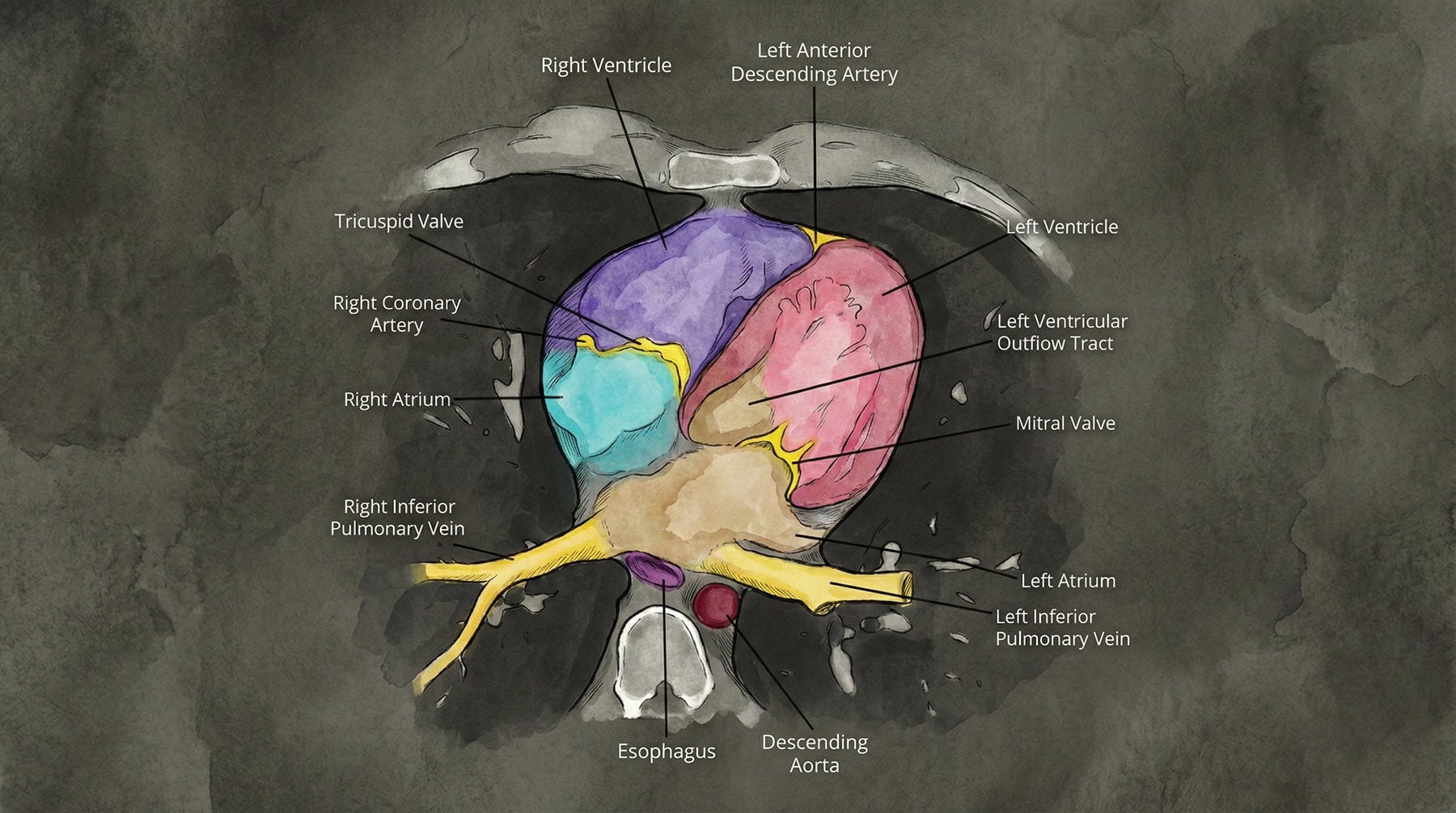
Traditional cardiovascular risk assessments often rely on statistical probabilities derived from factors like age, cholesterol levels, and blood pressure. While useful, these calculators provide a guess based on population averages rather than a direct look at your specific anatomy. A Coronary Artery Calcium (CAC) score changes this dynamic by utilizing a non-invasive, specialized CT scan to detect the presence of calcified plaque in the arteries supplying your heart. Because calcium deposits are a marker of established atherosclerosis, this scan transitions the diagnosis from a prediction of potential risk to a measurement of actual disease burden. It provides concrete, objective data that reveals whether plaque is physically present, offering a more personalized snapshot of your cardiovascular health than blood work alone.
Interpreting the results of a CAC scan is relatively straightforward but profoundly impactful for long-term health planning. The score, often calculated using the Agatston method, quantifies the amount of calcified plaque found; a score of 0 is considered ideal, indicating a very low risk of a cardiovascular event in the near future. Conversely, higher scores correlate with an increased burden of disease and a higher “arterial age” compared to your chronological age. For example, a score over 100 or above the 75th percentile for your age and gender suggests a significant presence of plaque. This stratification allows physicians to identify high-risk individuals who might otherwise be missed by standard screening tools, as well as those who are statistically “high risk” but biologically healthy.
The most significant clinical utility of the CAC score lies in its ability to act as a “tie-breaker” for treatment decisions, particularly regarding cholesterol management. For patients classified as “intermediate risk”—those on the fence about starting statin therapy or other preventive medications—the CAC score provides the decisive evidence needed to move forward. Current guidelines suggest that if a patient has a score of 0, it may be reasonable to withhold statin therapy and focus on lifestyle changes, re-scanning in the future. However, the presence of calcium confirms the disease process has started, often justifying more aggressive lipid-lowering therapies to prevent heart attacks or strokes. This precision medicine approach ensures that medication is prescribed to those who will benefit most, avoiding unnecessary treatment for those with pristine arteries.
References
- Grundy, S. M., Stone, N. J., Bailey, A. L., et al. (2019). 2018 AHA/ACC/AACVPR/AAPA/ABC/ACPM/ADA/AGS/APhA/ASPC/NLA/PCNA Guideline on the Management of Blood Cholesterol: A Report of the American College of Cardiology/American Heart Association Task Force on Clinical Practice Guidelines. Circulation, 139(25), e1082–e1143.
- Budoff, M. J., Young, R., Burke, G., et al. (2007). Ten-year association of coronary artery calcium with atherosclerotic cardiovascular disease (ASCVD) events: the multi-ethnic study of atherosclerosis (MESA). European Heart Journal, 39(25), 2401–2408.
- Greenland, P., Blaha, M. J., & Budoff, M. J., et al. (2018). Coronary Calcium Score and Cardiovascular Risk. Journal of the American College of Cardiology, 72(4), 434–447.
Comments are closed