
Osteoporosis has long earned its reputation as a “silent disease” because bone deterioration progresses without any noticeable symptoms—until a sudden, debilitating fracture occurs. Many people mistakenly believe that bone density testing, such as a DEXA (Dual-Energy X-ray Absorptiometry) scan, is a screening reserved exclusively for women over the age of 65. However, proactive monitoring is crucial for both men and women. If you possess underlying risk factors—such as a family history of osteoporosis, early menopause, a history of smoking, a petite frame, or long-term use of certain medications like corticosteroids—it is highly advisable to consult your physician about getting a DEXA scan earlier [1]. Early detection provides a critical window of opportunity to intervene before significant bone loss occurs.
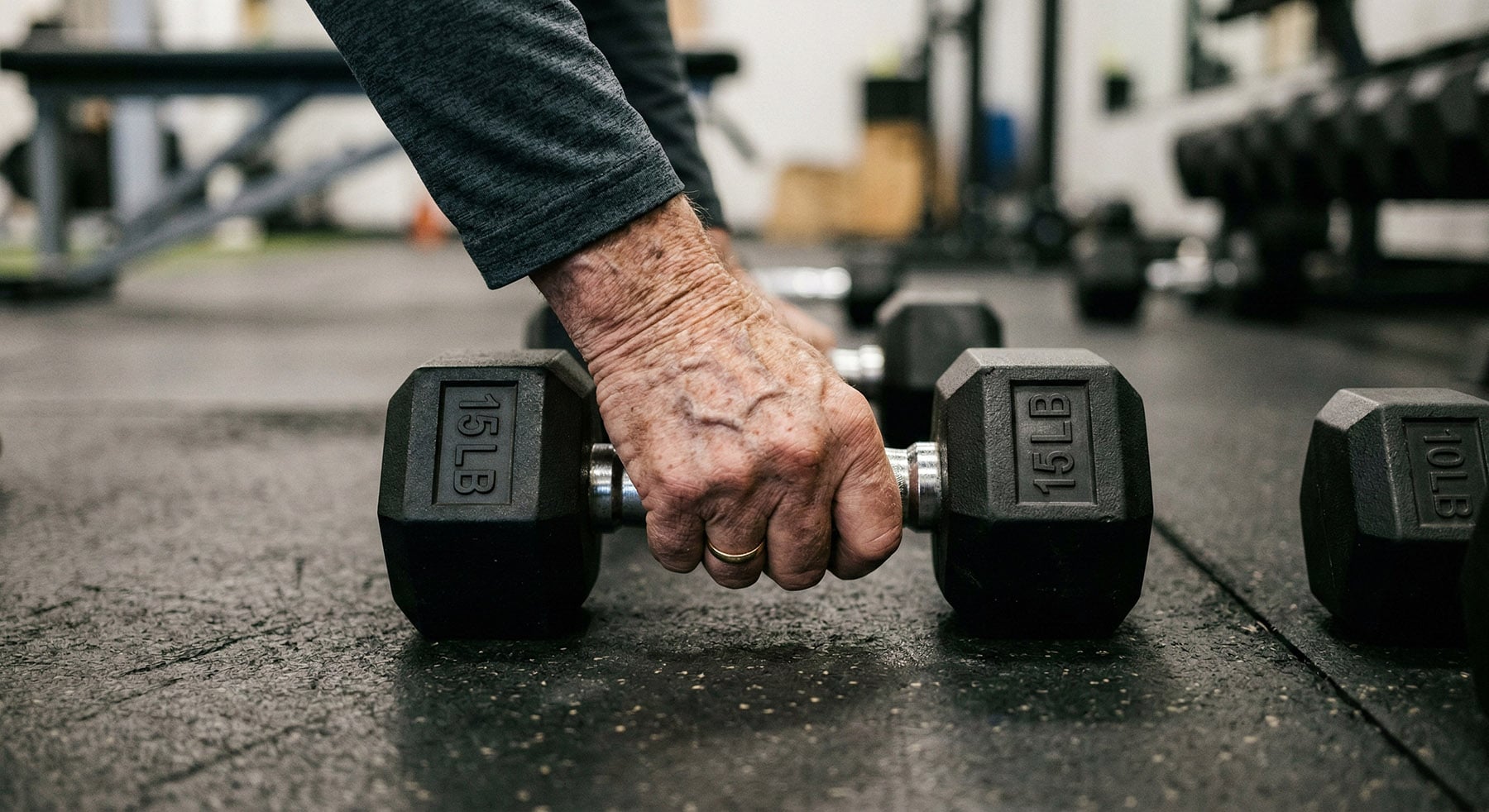
It is essential to understand that bone is not a static, lifeless framework; rather, it is highly active, living tissue that constantly undergoes a cycle of breaking down and rebuilding. Because bone responds directly to the mechanical stress of gravity, it requires physical stimulation to trigger the rebuilding phase. Engaging in regular weight-bearing and resistance exercises, such as lifting weights, jogging, hiking, or dancing, forces your skeletal system to work against gravity. This mechanical loading signals the bone-forming cells (osteoblasts) to spring into action, reinforcing the structural matrix and helping to maintain density over time [2].
While weight-bearing exercise and adequate dietary protein are incredibly powerful and necessary tools for bone maintenance, it’s a common misconception that they are the only ways to signal your bones to keep their density. Bone remodeling is a complex biological process that relies heavily on a broader nutritional and hormonal network. Sufficient calcium and Vitamin D are absolute prerequisites for bone mineralization, while hormones like estrogen and testosterone act as fundamental protectors of bone mass. Furthermore, when natural bone loss outpaces what lifestyle interventions can manage, specialized medications are often required to either slow the breakdown process or actively build new bone [1, 3]. Approaching bone health as a multi-faceted system—combining movement, comprehensive nutrition, and medical guidance—is the most effective way to stay strong and resilient throughout your life.
References
- Cosman, F., de Beur, S. J., LeBoff, M. S., Lewiecki, E. M., Tanner, B., Randall, S., & Lindsay, R. (2014). Clinician’s Guide to Prevention and Treatment of Osteoporosis. Osteoporosis International, 25(10), 2359–2381.
- Hong, A. R., & Kim, S. W. (2018). Effects of Resistance Exercise on Bone Health. Endocrinology and Metabolism, 33(4), 435–444.
- Wallace, T. C., & Frankenfeld, C. L. (2017). Dietary Protein Intake above the Current RDA and Bone Health: A Systematic Review and Meta-Analysis. Journal of the American College of Nutrition, 36(6), 481–496.
Comments are closed