
May is Mental Health Awareness Month, and a quietly transformative finding from the last fifteen years of psychiatric research is that depression is not a single disease. A meaningful subgroup of depressed patients—estimates range from one quarter to one third—show reproducibly elevated inflammatory biomarkers including high-sensitivity C-reactive protein above three milligrams per liter, interleukin-6, and tumor necrosis factor alpha. This subgroup tends to display a particular symptom cluster: profound fatigue, anhedonia, slowed thought, increased sleep, and increased appetite, distinct from the classic agitated, insomniac, weight-losing presentation. The pattern suggests that not all major depressive episodes share the same biology, and that systemic inflammation is a causal contributor in a discrete subgroup rather than an incidental finding.
The mechanistic links are now well characterized. Peripheral inflammatory cytokines reach the central nervous system through active transport across the blood-brain barrier, vagal afferent signaling, and direct entry at circumventricular organs that lack a tight barrier. Once central, they activate microglia, increase the expression of indoleamine 2,3-dioxygenase, and shunt tryptophan away from serotonin synthesis and toward the kynurenine pathway. Several kynurenine metabolites, particularly quinolinic acid, are NMDA-receptor agonists that drive glutamate-mediated excitotoxicity in the prefrontal cortex and hippocampus. The same patients show reduced hippocampal volume on structural MRI and reduced reward-related activity in the ventral striatum on functional imaging—anatomical correlates of the anhedonia and cognitive slowing they report.
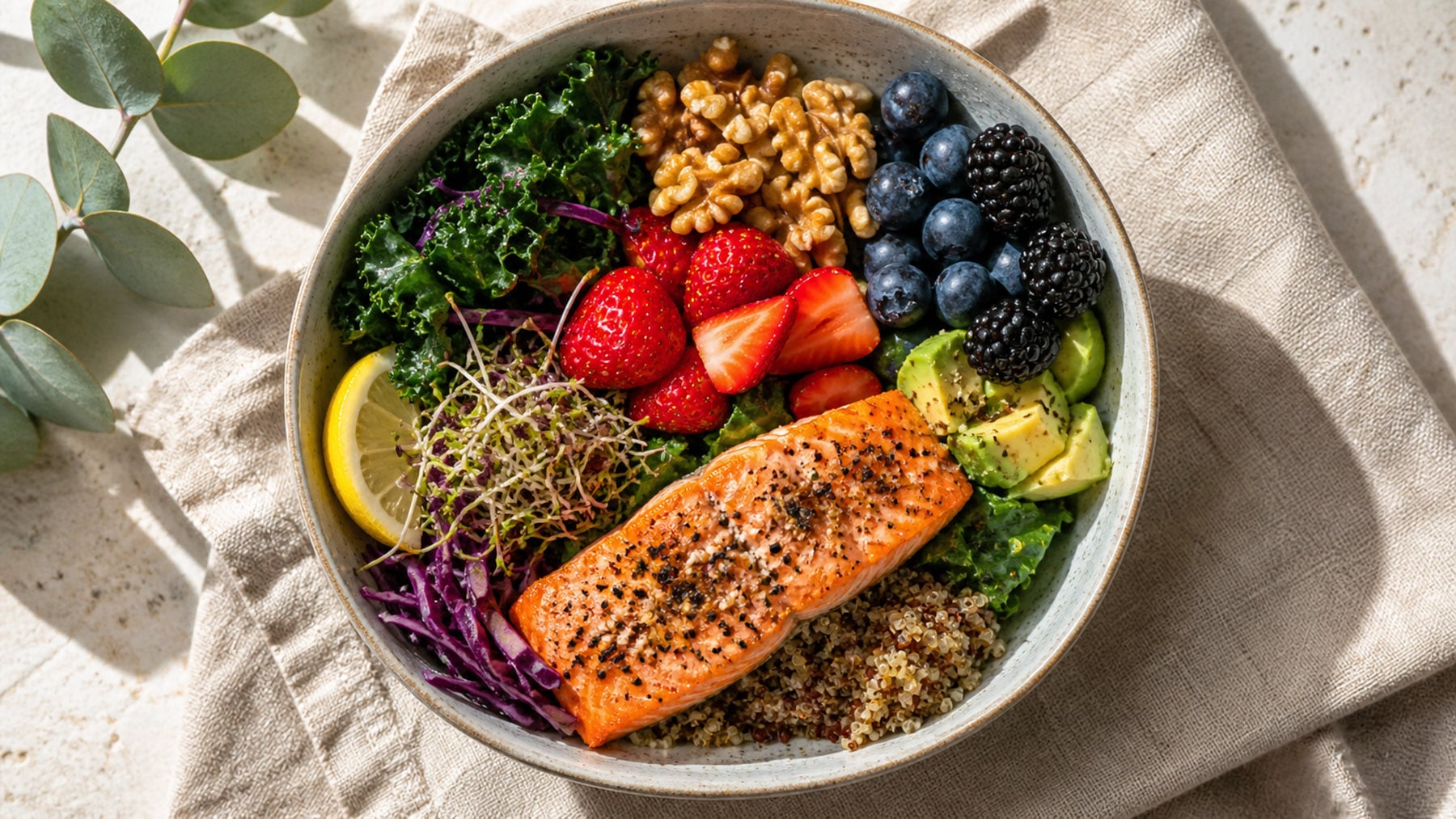
The treatment implication is that the inflammatory subgroup responds preferentially to anti-inflammatory levers. Trials of adjunctive aspirin, omega-3 EPA-dominant supplementation, structured exercise, and an anti-inflammatory dietary pattern such as the Mediterranean or whole-food plant-based diet show that effect sizes for depression are larger in patients whose baseline CRP is elevated. Sleep restoration, both quantity and quality, directly suppresses pro-inflammatory cytokine production. None of this displaces conventional psychotherapy or pharmacotherapy where indicated, but it argues for measuring inflammatory markers in any depressed patient who fits the somatic, anhedonic, fatigue-predominant phenotype, and treating the body’s inflammation alongside the mind. For a stubborn third of patients, the path to mental health appears to run through immunology.
References:
- Miller, A. H., & Raison, C. L. (2016). The role of inflammation in depression: From evolutionary imperative to modern treatment target. Nature Reviews Immunology, 16(1), 22-34.
- Köhler-Forsberg, O., Lydholm, C. N., Hjorthøj, C., Nordentoft, M., Mors, O., & Benros, M. E. (2019). Efficacy of anti-inflammatory treatment on major depressive disorder or depressive symptoms: Meta-analysis of clinical trials. Acta Psychiatrica Scandinavica, 139(5), 404-419.
- Rapaport, M. H., Nierenberg, A. A., Schettler, P. J., Kinkead, B., Cardoos, A., Walker, R., & Mischoulon, D. (2016). Inflammation as a predictive biomarker for response to omega-3 fatty acids in major depressive disorder: A proof-of-concept study. Molecular Psychiatry, 21(1), 71-79.
Comments are closed