

From Retina to Mood: The Light-Triggered Serotonin Pathway
Serotonin is most often discussed as a dietary product—the precursor amino acid tryptophan, the vitamin and mineral cofactors of its synthesis—but a crucial fact about[…]

The Mortality Benefit of Belonging: Spiritual Practice and Physiology
A consistent finding across decades of epidemiological research is that adults who attend religious services regularly, or who maintain a sustained personal spiritual practice, live[…]

Building the Brain’s Backup: Cognitive Reserve and Lifelong Learning
Cognitive reserve is the brain’s ability to maintain function in the face of pathology. The concept emerged from a series of autopsy studies in the[…]
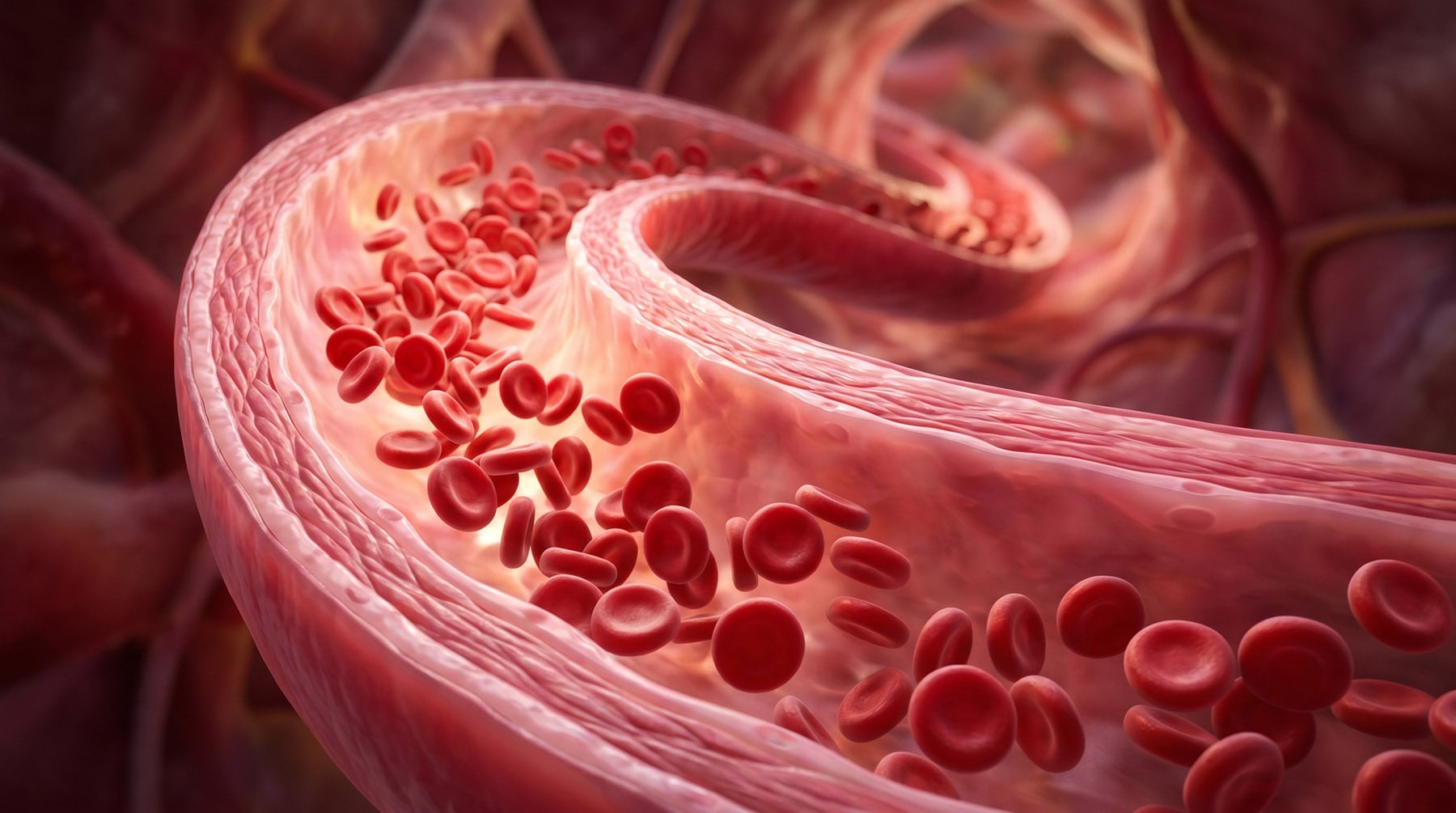
The Forgotten Lining: How the Endothelial Glycocalyx Protects Your Arteries
The endothelium, the single-cell-thick lining of every blood vessel in the body, is not a smooth, sterile pipe. It is coated with a delicate, hair-like[…]
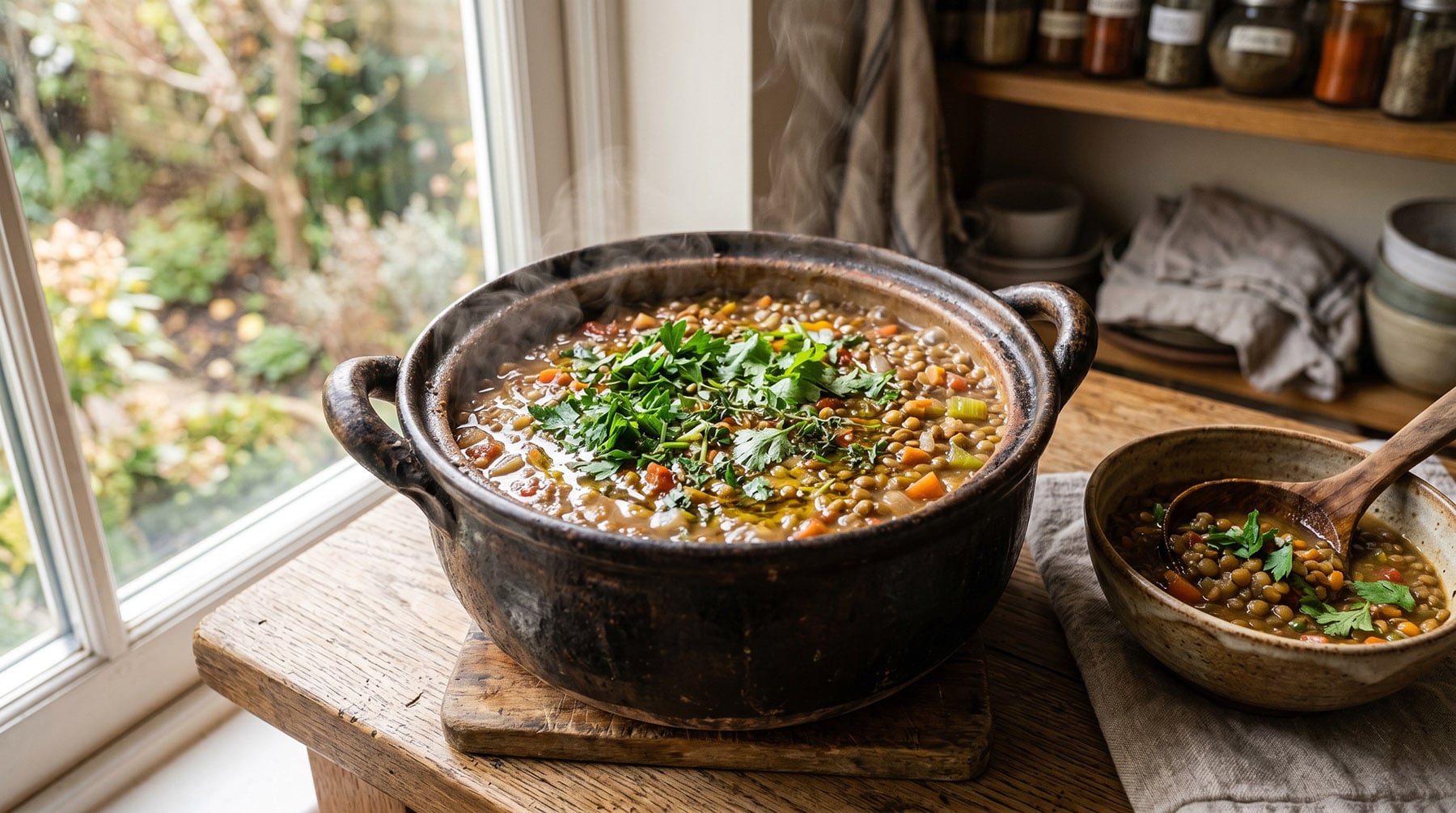
A Cup of Beans a Day: The Quietest Lesson From the Blue Zones
When Dan Buettner and the National Geographic team mapped the five Blue Zones—Okinawa, Sardinia, Nicoya, Loma Linda, and Ikaria—the dietary commonality across vastly different cultures[…]

The Pancreas on a Clock: Why When You Eat Rivals What You Eat
The pancreas, like nearly every organ in the body, runs on a circadian schedule. Its beta cells contain the same molecular clock genes—BMAL1, CLOCK, PER1/2,[…]

Where the Body Holds the Score: Fascia, Sympathetic Tone, and Somatic Release
The clinical observation that emotional trauma seems to lodge somewhere beyond the cognitive mind has migrated from psychotherapy lore into mainstream physiology. Sustained sympathetic nervous[…]
The Inflammatory Subtype of Depression: When Cytokines Cross the Blood-Brain Barrier
May is Mental Health Awareness Month, and a quietly transformative finding from the last fifteen years of psychiatric research is that depression is not a[…]

The Four-Minute Vascular Reset: Endothelial Nitric Oxide and the Power of Movement Microbursts
Nitric oxide is a remarkable signaling molecule. It is a gas, generated within the endothelial layer of every blood vessel by the enzyme endothelial nitric[…]
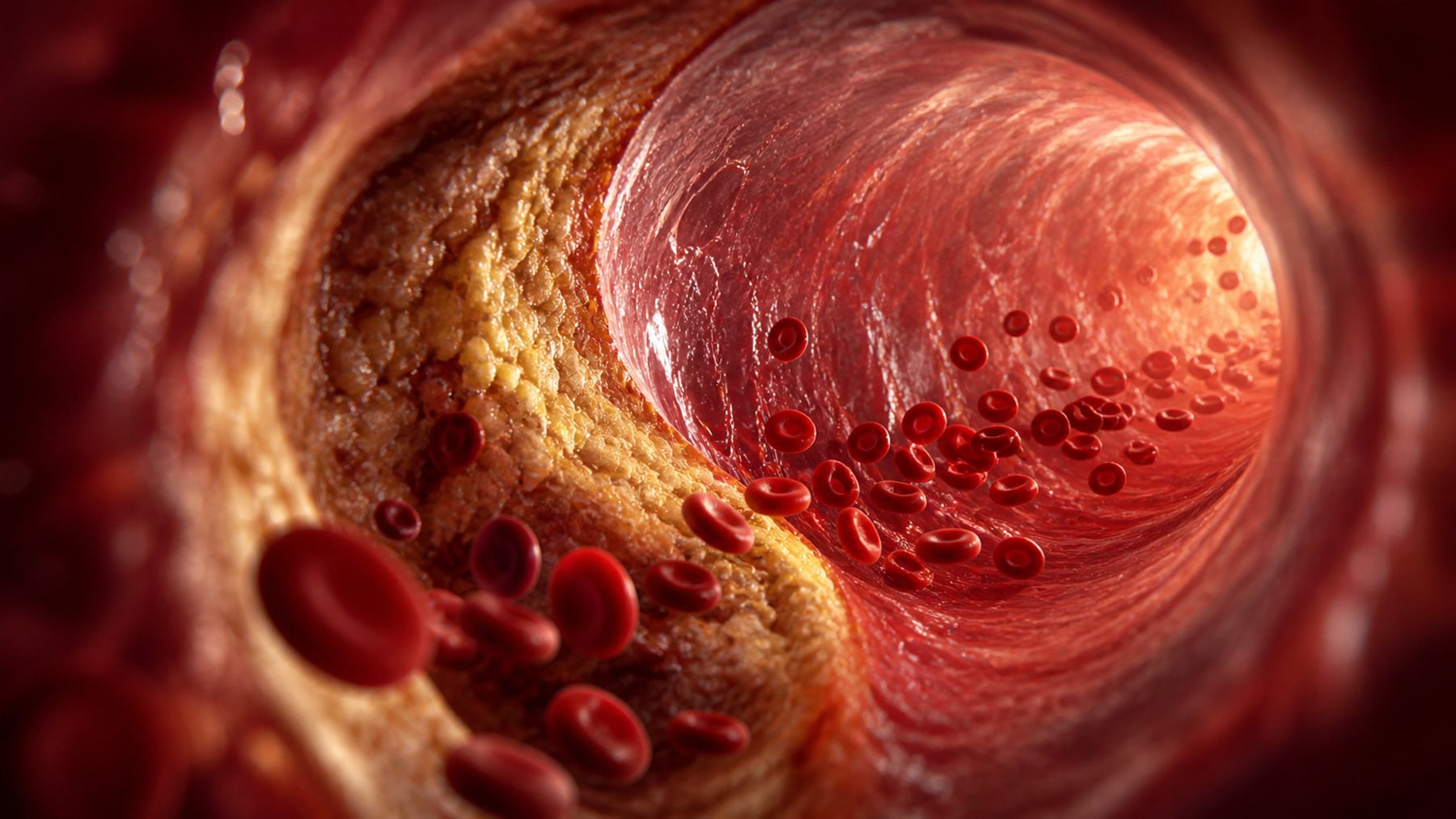
From Stable to Reversible: The Mechanics of Coronary Plaque Regression
For decades, coronary plaque was framed as a progressive accumulation, with treatment aimed at slowing rather than reversing the process. That framing has shifted with[…]
Administrative Mailing Address:
9200 NW 39th Ave, Ste 130-3317
Gainesville, FL 32606